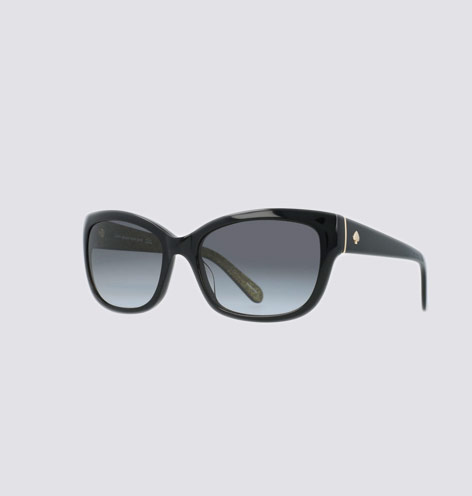
A polarized sunglasses comparison matters most when sunlight starts interfering with what you need to see. The harsh reflection off a wet highway, a lake, fresh snow, or even a bright storefront can make ordinary sunglasses feel less effective than expected. Polarized lenses are designed to reduce that reflected glare, helping your view feel more comfortable and more defined in strong conditions.
For many Canadians, the right pair is not simply about a logo or frame colour. It is about choosing sunglasses that suit the way you drive, spend time outdoors, exercise, or move through a bright workday. Here is what separates polarized sunglasses from standard tinted lenses, and how to choose with confidence.
Polarized Sunglasses Comparison: What Changes?
All quality sunglasses should provide UV protection. Polarization is a separate lens feature that addresses glare. Sunlight normally travels in many directions, but when it bounces off flat surfaces such as water, pavement, ice, vehicle hoods, or windows, it becomes concentrated in a horizontal direction. That concentrated light is the sharp, distracting glare people notice.
A polarized lens uses a special filter to block much of that horizontal glare. The result can be clearer contrast, reduced squinting, and less visual fatigue in bright settings. Colours may also appear more natural because your eyes are not working as hard to compensate for reflected light.
Standard non-polarized sunglasses still darken the scene and can offer excellent UV protection. They are a sensible choice for casual wear, fashion-focused frames, and situations where glare control is not a major concern. But when glare is a regular part of your day, polarization can make a noticeable difference.
Polarized vs. Non-Polarized Lenses
The simplest way to compare these options is to think about where you wear sunglasses most often. If you are walking around town on a bright afternoon, both polarized and non-polarized lenses can feel comfortable. If you are driving west at sunset or looking across open water, polarized lenses tend to offer a clearer advantage.
Clarity on the road
Road glare can be tiring, particularly during long drives or after rainfall. Polarized lenses help reduce reflections from wet pavement, windshields, and nearby vehicles. They do not replace safe driving habits, but they can make it easier to see lane markings, changing road texture, and hazards in bright light.
For commuters and frequent road-trippers, this is one of the strongest reasons to choose polarized sunglasses. A grey or brown polarized lens is often a practical starting point because it balances brightness reduction with natural-looking colour perception.
Better comfort near water and snow
Water and snow reflect a surprising amount of sunlight. At the beach, cottage, dock, or ski hill, a polarized lens can reduce the intense surface glare that makes you squint. On water, it may also help you see more detail below the surface, although visibility still depends on weather, water clarity, and the angle of the sun.
Snow sports create a different challenge. Reflections are strong, and conditions can shift quickly from flat light to intense sun. Polarization can improve comfort on bright days, but some skiers and snowboarders prefer lenses designed specifically for variable terrain and contrast enhancement. The best option depends on how and where you ride.
Everyday outdoor wear
For errands, patios, dog walks, sports sidelines, and city weekends, polarization is largely a comfort upgrade. People who are sensitive to bright light often appreciate the reduced glare from cars, sidewalks, glass buildings, and pavement. It can be especially useful if you wear sunglasses for several hours at a time.
Non-polarized sunglasses are not a lesser choice by default. If you mainly want a particular frame style, wear sunglasses occasionally, or need a more affordable second pair, standard lenses can still deliver dependable sun protection. The key is confirming that they offer 100% UVA and UVB protection.
When Polarized Lenses Are Not the Best Fit
Polarized sunglasses have a few trade-offs worth knowing before you buy. Certain LCD and LED screens can look darker, patchy, or rainbow-coloured through polarized lenses. This may affect vehicle displays, phone screens, digital dashboards, aviation instruments, and some ticket machines.
Most people adjust by tilting their head slightly or changing screen brightness. Still, if your work or hobby depends on reading digital displays at a glance, test this experience before relying on polarized eyewear. Pilots and some equipment operators may have specific lens requirements, so professional guidance is the right place to start.
Polarization also does not make a lens automatically darker, safer, or better made. Lens quality, UV protection, frame fit, optical clarity, and coverage all matter. A well-made non-polarized pair may be more suitable than a poorly fitting polarized one.
Lens Colour Makes a Difference Too
Once you decide on polarization, lens colour helps fine-tune your experience. It is easy to choose based on appearance alone, but colour affects how light and contrast are perceived.
Grey lenses provide neutral colour perception and are a reliable all-purpose option for bright days. They work well for driving, daily wear, and people who prefer the world to look close to its natural tones.
Brown, bronze, and copper lenses can increase contrast, which many people enjoy for driving, golf, hiking, and changing outdoor light. They may make details stand out more clearly, though the warmer colour cast is not for everyone.
Green lenses sit between grey and brown in feel. They can offer balanced colour perception with comfortable contrast, making them a versatile choice for general outdoor use.
Mirrored finishes are primarily a surface coating. They can reduce the amount of visible light reaching your eyes and add a bold look, but they do not replace polarization or UV protection. Consider them an extra feature rather than the main reason to choose a lens.
Frame Fit Is Part of Lens Performance
A great lens cannot fully compensate for a frame that slides down, pinches at the temples, or leaves too much light entering around the sides. Fit affects comfort and protection, especially when you are outdoors for long periods.
Larger frames and wraparound shapes provide more coverage from side light and wind. They are often practical for cycling, boating, running, or driving. Classic square, aviator, and round frames may offer a lighter everyday feel while still delivering effective front-facing protection.
Pay attention to the bridge fit, temple pressure, and how the frames sit on your cheeks. Sunglasses should feel secure without leaving sore spots. If you regularly wear contacts, a comfortable frame and glare-reducing lens can be particularly helpful when wind, sun, or dry conditions make your eyes feel more exposed.
How to Choose the Right Pair for Your Routine
Start with the activity that creates the most glare in your day. For driving and commuting, choose polarized lenses with a neutral grey or contrast-enhancing brown tint. For water, fishing, or cottage weekends, polarization is usually worth prioritizing. For casual city wear, let fit, UV protection, and a frame you will actually reach for guide the decision.
Then consider how often you use screens outdoors. If you depend on a dashboard display, smartwatch, or work device, think carefully about the screen trade-off. There is no single best lens for everyone, only the pair that makes your usual routine more comfortable.
When shopping online, review frame measurements and lens details rather than relying on photos alone. Recognized designer frames can offer a strong mix of everyday style and reliable construction, while clear product specifications make it easier to compare your options from home.
The best sunglasses are the ones you wear consistently. Choose a pair that feels good from the first drive to the last sunny patio of the season, and your eyes will get the everyday comfort and UV protection they deserve.