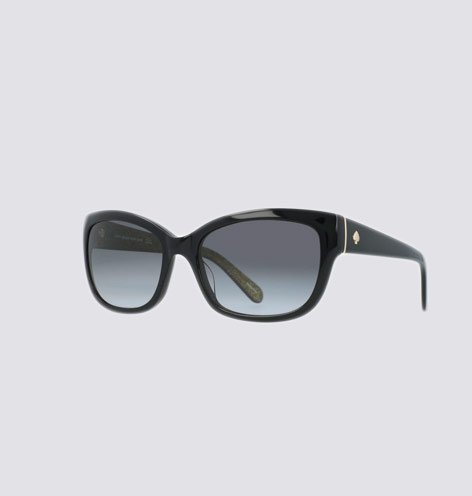
A bright winter afternoon can expose your eyes to as much glare as a July patio, especially when sunlight reflects off snow, water, or pale pavement. That is why the best sunglasses for UV protection are not simply the darkest pair on the shelf. They are the pair that blocks harmful rays consistently, fits close enough to reduce side exposure, and feels good enough to wear every time you head outside.
For Canadian shoppers, sunglasses are a year-round eyecare essential. The right pair can make commuting, driving, running errands, skiing, and weekends by the lake more comfortable while helping protect your eyes from ultraviolet exposure.
Start with UV400 or 100% UV Protection
The first detail to check is the lens label. Look for sunglasses marked UV400 or 100% UVA and UVB protection. This means the lenses filter ultraviolet wavelengths up to 400 nanometres, covering both UVA and UVB rays.
UVA rays are linked to long-term eye and skin damage, while UVB rays are more strongly associated with sunburn and can be especially intense at higher elevations or around reflective surfaces. You cannot judge UV protection by lens colour alone. A very dark lens without proper UV filtering may make your pupils open wider, allowing more unfiltered light into the eye.
A reliable pair should state its UV protection clearly in the product description, packaging, or lens documentation. If the information is vague or missing, choose another option. Designer style is a welcome benefit, but verified protection comes first.
Coverage Matters as Much as Lens Technology
The best sunglasses for UV protection do more than cover the area directly in front of your eyes. Light can enter from the sides, over the brow, and through gaps around the cheeks. A frame with generous lens coverage helps reduce that exposure.
Larger lenses are often a practical choice for everyday wear because they shield more of the eye area. Wraparound frames offer even more side protection and are particularly useful for cycling, hiking, paddling, running, or spending long periods near water. They also help cut wind, dust, and dry air, which can make a noticeable difference for people prone to eye irritation.
That does not mean every shopper needs a sports frame. A well-fitting oversized square, aviator, or rounded frame can provide excellent coverage for city life and casual use. The key is to avoid a style that sits so far from your face that sunlight streams in around the edges.
Check the fit before you commit
A frame should rest securely without pressing on the temples or sliding down your nose. Sunglasses that slip are easy to remove or push onto your head, which defeats their purpose. Look at the bridge fit, temple length, and lens height rather than choosing based on frame shape alone.
If you wear prescription glasses or contact lenses, comfort deserves extra attention. Contact lens wearers may appreciate frames that reduce wind exposure and glare during outdoor activities. If your eyes feel dry in bright, breezy conditions, a closer-fitting frame may be more comfortable than a flat, narrow design.
Polarized Lenses Reduce Glare, Not UV Exposure
Polarization is one of the most useful sunglass features, but it is often misunderstood. Polarized lenses reduce reflected glare from flat surfaces such as roads, water, snow, and vehicle hoods. They can make driving more comfortable, improve visibility near the water, and reduce squinting on bright days.
However, polarization is not the same as UV protection. A lens can be polarized and still need a separate UV400 or 100% UV protection claim. Ideally, choose lenses with both features: certified UV filtering for eye safety and polarization for clearer, more relaxed vision in high-glare settings.
There are trade-offs. Some digital screens can look darker or show colour shifts through polarized lenses, depending on the viewing angle. Pilots and people who rely on certain instrument displays may prefer non-polarized options. For most drivers, boaters, and outdoor enthusiasts, though, polarization is a worthwhile upgrade.
Choose Lens Colour for How You Spend Time Outside
Once UV protection is confirmed, lens tint can help tailor your sunglasses to your routine. Grey lenses provide natural colour perception and suit bright, all-purpose use. Brown or amber lenses can enhance contrast, making them a popular choice for driving, golf, and variable outdoor light.
Green lenses offer balanced contrast and colour accuracy, while rose or copper tints may make details stand out in lower or changing light. Mirrored lenses can reduce the amount of visible light reaching your eyes, but the mirror finish itself does not determine UV protection. Again, check the UV rating.
Very light fashion tints can be stylish and useful in mild conditions, but they may not provide enough visible-light comfort for a sunny beach, a long drive, or a ski day. Darker is not automatically safer, yet the tint should still match the brightness you expect to face.
Do not rely on cheap lens colour alone
A bargain pair may look like it has dark lenses, but appearance does not verify performance. Choose sunglasses from recognized eyewear brands and retailers that provide clear product specifications. Quality frames and lenses also tend to offer better optical clarity, more reliable hinges, and a fit you will want to keep wearing.
Match the Frame to Your Everyday Routine
The right sunglasses depend on where and how you use them. A single versatile pair works well for many people, but active lifestyles may justify more than one option.
For driving, prioritize UV400 protection, polarization, and a frame that does not block too much peripheral vision. A medium-to-large lens with a secure fit is often comfortable for longer trips. Grey or brown lenses are dependable choices.
For beach days, cottage weekends, and time on the water, polarized lenses and larger coverage are especially helpful. Reflected light from water can be intense even when the air feels cool. A durable frame that stays put is more practical than a delicate style you hesitate to wear.
For sports and outdoor exercise, choose a wraparound or curved frame with lightweight materials, grip at the nose and temples, and impact-resistant lenses where appropriate. Freedom of movement matters when you are running, cycling, or playing with the kids.
For daily errands and office commutes, a classic frame in a size that covers your eye area comfortably may be all you need. The best pair is often the one that works with your routine, fits your face, and lives in your bag or car rather than in a drawer.
Watch for Signs It Is Time to Replace Them
Sunglasses do not need replacing every season, but they are not indestructible. Deep scratches can scatter light and make glare more distracting. Bent frames can create gaps that reduce coverage, and loose hinges can make a pair difficult to wear securely.
Lens coatings may also wear down over time, especially if sunglasses are cleaned with a shirt, paper towel, or abrasive material. Use a microfiber cloth and lens-safe cleaner, then store your sunglasses in a protective case when possible. Heat can warp frames, so avoid leaving them on a dashboard for extended periods.
UV filtering in quality lenses is generally built into the lens material rather than applied as a surface coating, but damaged eyewear can still compromise comfort, fit, and visual clarity. If your lenses are badly worn, your frame no longer sits properly, or you cannot confirm the protection level, replacing the pair is a sensible choice.
A Simple Shopping Checklist
Before choosing sunglasses, confirm that the product clearly states UV400 or 100% UVA and UVB protection. Then consider coverage, fit, lens tint, and whether polarization suits your main activities. Those details will do more for your comfort than chasing a trend alone.
At Precisely Contacts, finding dependable designer sunglasses online should feel straightforward. Choose protection first, then select a frame that suits your face, your routine, and the way you spend time outdoors. A pair you genuinely enjoy wearing is the pair most likely to protect your eyes on every bright day.