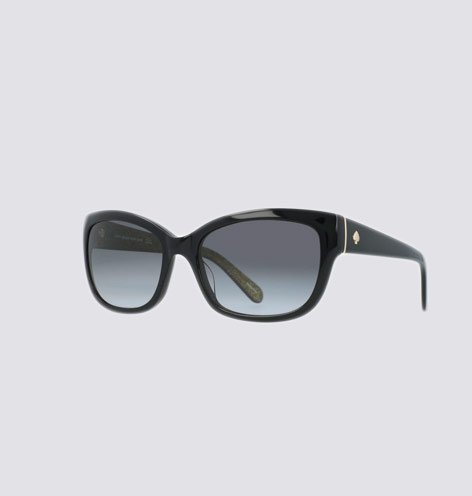
A bright winter afternoon can be as hard on your eyes as a July patio. Snow, water, pavement and glass all reflect sunlight, which is why sunglasses are more than a warm-weather accessory. When you shop uv protection sunglasses online, the right pair should give you dependable eye coverage, clear everyday vision and a fit you will actually want to wear.
Buying online makes it easy to compare recognized brands, frame styles and lens options from home. The key is knowing which product details matter most. A great-looking frame is a bonus, but verified UV protection, comfortable coverage and a practical fit should lead the decision.
What UV Protection Actually Means
Ultraviolet light is invisible, but your eyes are exposed to it whenever you spend time outdoors. UVA rays are present throughout the day and can pass through clouds. UVB rays are stronger in direct sunshine and are commonly associated with sunburn. Both are reasons to choose sunglasses designed to filter harmful ultraviolet rays.
Look for sunglasses labelled UV400 or 100% UVA and UVB protection. UV400 means the lenses block light rays up to 400 nanometres, covering both UVA and UVB wavelengths. This is the protection claim that matters most when comparing sunglasses.
Lens darkness alone does not tell you how much UV protection a pair provides. A very dark lens without proper UV filtering can be a poor choice because your pupils may open wider behind the tint, allowing more unfiltered UV light into the eye. A lighter lens with confirmed UV400 protection can offer better protection than a darker, unverified option.
Buying UV Protection Sunglasses Online With Confidence
Online shopping gives you time to review frame dimensions and lens specifications without feeling rushed at a display wall. Start with the product description, then check the frame measurements before choosing a style based on appearance alone.
Most sunglasses list three measurements in millimetres: lens width, bridge width and temple length. If you already own a pair that fits well, these numbers are an easy reference point. Lens width affects the overall look and coverage, bridge width affects how the frame sits on your nose, and temple length helps determine whether the arms rest comfortably behind your ears.
For many adults, a small measurement difference is perfectly manageable. A larger change can alter the fit considerably. If your current sunglasses slide down your nose, feel tight at the temples or leave large gaps at the sides, use that experience to narrow your search.
It also helps to consider the product images as a guide rather than a guarantee. Face shape, nose bridge and personal style all influence how a frame will look and feel. Choose a retailer that provides clear specifications and product information so you can make a considered purchase.
Choose Coverage for the Way You Spend Time Outside
The best frame is not always the largest or boldest one. It depends on how and where you will wear it.
Wraparound and sport-inspired frames provide more side coverage and can help reduce light entering from the edges. They are a practical choice for driving, cycling, walking, running or spending long periods near water. Larger square, aviator and oversized frames can also offer generous coverage while working well for daily wear.
Smaller, narrow frames may suit a particular look, but they leave more of the eye area exposed to light from the sides and above. That does not make them the wrong choice. It simply means they may be better suited to casual, shorter outings than a full day outside.
Think about your usual routine. A commuter who drives west at sunset may prioritize broad lenses and a secure fit. Someone who spends weekends at the cottage may prefer polarized lenses to manage glare off the water. For city errands and patio plans, classic frames with reliable UV protection may be all you need.
Understand Polarized Lenses Before You Choose
Polarization and UV protection are different features. UV protection filters ultraviolet rays. Polarized lenses reduce reflected glare from flat surfaces such as roads, water, snow and vehicle hoods. The most practical sunglasses often offer both.
Polarized lenses can make driving and outdoor activities more comfortable by reducing harsh reflected light. Colours and contrast may also feel easier to see in bright conditions. For fishing, boating, skiing or frequent driving, this added comfort can be worth considering.
There is one trade-off. Some digital displays, including certain dashboard screens and phone screens, can appear darker or change colour at particular angles when viewed through polarized lenses. It is not usually a deal-breaker, but it is worth knowing if you rely on screens outdoors or in the car.
Lens Colour Changes Comfort, Not UV Protection
Once UV protection is confirmed, lens colour can help you choose for your environment. Grey lenses are popular because they reduce brightness while keeping colour perception relatively natural. Brown, bronze and amber lenses can enhance contrast, which some people prefer for driving and changing light conditions.
Green lenses often provide balanced contrast and comfortable colour perception. Mirrored finishes can reduce visible light reaching the eyes and add a distinct style, but the mirror coating itself is not a substitute for UV400 protection.
Gradient lenses are darker at the top and lighter at the bottom. They can be useful when you want shade from overhead sun while still seeing a phone, map or dashboard more easily. For very bright outdoor settings, a full, even tint may offer more consistent comfort.
Do Not Overlook Fit and Everyday Comfort
A pair of sunglasses only protects your eyes when it is on your face. Frames that pinch, slip or feel too heavy often end up in a bag instead of being worn. Pay attention to frame material, temple shape and nose support alongside the lens specification.
Acetate frames often feel substantial and offer rich colour options. Metal frames can be lightweight and refined, although adjustable nose pads may be especially helpful for achieving a personalized fit. Flexible materials can be a practical option for active wear and frequent use.
If you wear contact lenses, sunglasses can make outdoor time noticeably more comfortable. They add a barrier against wind, brightness and airborne irritants while allowing you to enjoy clear, unrestricted vision. For dry-eye-prone contact lens wearers, a larger frame with better side coverage may feel more comfortable on windy days.
Prescription needs matter, too. If you need vision correction outdoors, check whether your preferred frame is suitable for prescription sunglass lenses, or consider sunglasses that work comfortably over your usual eyewear where appropriate. A frame that looks great but cannot accommodate your vision needs may not be the most useful long-term choice.
A Quick Pre-Checkout Check
Before placing an order, confirm that the sunglasses have 100% UVA and UVB protection or UV400 protection. Review the lens type, especially if you want polarization. Compare the frame measurements with a pair you already own, and make sure the style suits your usual activities rather than only one occasion.
It is also sensible to choose a trusted retailer that carries recognized eyewear brands, provides clear product information and offers accessible support when you need help. For Canadian shoppers, ordering through a Canadian eyecare retailer can make the process feel simpler, from browsing through delivery and follow-up questions.
At Precisely Contacts, sunglasses are part of effortless eyecare: practical protection for daily routines, outdoor plans and the bright conditions that can show up in every season.
The right sunglasses should make stepping outside feel easier. Choose confirmed UV protection first, then find the frame, lens and fit that match your life. A pair you trust is a pair you will reach for every time the light gets bright.