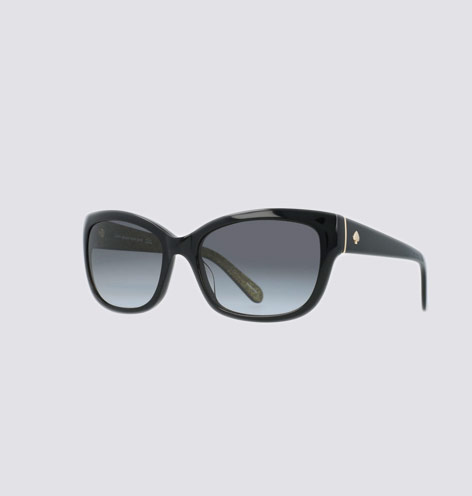
A sunny commute can involve more than one kind of light problem. Bright overhead sun makes you squint, while glare bouncing off wet pavement, windshields, water, or snow can make details harder to see. That is the practical difference behind photochromic versus polarized sunglasses: one lens adapts to changing light, while the other is designed to cut reflected glare.
Both can make time outdoors more comfortable, but they do different jobs. Choosing well comes down to where you wear your sunglasses, whether you drive often, and how much you move between indoor and outdoor spaces.
Photochromic versus polarized sunglasses: the key difference
Photochromic lenses change tint when exposed to ultraviolet light. They are usually clear or nearly clear indoors, then darken outdoors as UV exposure increases. When you head back inside, the tint gradually fades. Their main advantage is convenience: one pair can provide clear vision for everyday wear and extra comfort in bright conditions.
Polarized lenses have a built-in filter that reduces glare from flat, reflective surfaces. They do not automatically change from light to dark. Instead, they typically stay at a fixed sunglass tint while helping reduce the intense reflected light that can wash out your view.
Think of photochromic lenses as light-responsive lenses and polarized lenses as glare-control lenses. Neither feature automatically tells you how much UV protection a lens has. Look for sunglasses that provide 100% UVA and UVB protection, regardless of which lens technology you choose.
When photochromic lenses make sense
Photochromic sunglasses are a strong everyday option for people who regularly move between different light settings. Students walking between classes, commuters stepping in and out of buildings, and people who prefer not to carry a separate pair of sunglasses may appreciate the flexibility.
The tint responds to the conditions around you, so you are less likely to be caught outside in bright light wearing clear lenses. Many photochromic options are also available with prescription lenses, making them a practical choice if you need vision correction throughout the day.
That convenience comes with a few trade-offs. Photochromic lenses need time to darken and fade, rather than changing instantly. Their darkest result can also vary with temperature, UV intensity, and lens material. In cooler weather, they may become darker and take longer to return to clear.
The biggest consideration is driving. Most vehicle windshields block a significant amount of UV light, which is what activates traditional photochromic lenses. Your lenses may darken only slightly behind the windshield, even on a very bright day. If driving comfort is your top priority, a dedicated sunglass lens may be more dependable.
When polarized sunglasses are the better choice
Polarized sunglasses are made for strong glare. They are especially useful around lakes, beaches, snow, wet roads, and bright city streets. By filtering much of the horizontally reflected light that reaches your eyes, they can improve comfort and help you see contrast more clearly.
For Canadian summers, polarized lenses are a natural fit for patio days, road trips, fishing, boating, hiking, and any time water or pavement is reflecting sunlight into your eyes. They can be equally valuable in winter, when sunlight reflecting off snow creates harsh glare.
Drivers often choose polarized sunglasses because wet roads, car hoods, and other vehicles can create distracting reflections. A polarized lens will not make driving safer on its own, and it does not replace attentive driving, but reducing glare can make a bright route feel easier on the eyes.
There are a few situations where polarization is less convenient. Some digital dashboards, phone screens, and LCD displays can look darker or show colour shifts when viewed through polarized lenses, particularly when you tilt your head. This is not a problem for everyone, but it is worth checking if you rely on a specific display for work, cycling, or driving.
Polarized lenses are also not usually recommended for pilots because they can affect visibility of cockpit instruments and make it harder to spot certain visual cues. If you need sunglasses for aviation, follow the guidance for your equipment and role.
Do polarized lenses get darker than photochromic lenses?
Not necessarily. Lens darkness and polarization are separate features. Polarized sunglasses can come in lighter or darker tints, while photochromic lenses can reach different levels of darkness depending on the design and conditions.
A dark lens can feel comfortable in bright sunlight, but darkness alone does not reduce reflected glare the way polarization does. Likewise, a polarized lens is not automatically better for changing weather if it remains at one fixed tint all day.
Lens colour matters too. Grey lenses offer more natural colour perception and are a versatile choice for driving and general wear. Brown or bronze lenses can enhance contrast, which some people prefer for outdoor activities. Green tints sit between the two, offering balanced colour perception and comfort in bright conditions.
Can you get photochromic polarized sunglasses?
Yes, some lenses combine photochromic technology with polarization. They are designed to adapt to changing light while also reducing reflected glare outdoors. For someone who spends a lot of time outside but still moves through varying conditions, this combination can be appealing.
The trade-off is that these lenses can cost more, and their in-car performance still depends on the specific photochromic technology. Do not assume every photochromic polarized lens will darken fully behind a windshield. Check the product details before choosing a pair mainly for driving.
Choose based on how you actually spend your day
The best lens is the one that solves the problem you notice most often. If you keep switching between clear glasses and sunglasses, photochromic lenses can simplify your routine. They are a practical fit for walking, errands, commuting on foot, and general daily wear.
If glare is what bothers you – whether it is sunlight on the road, water, snow, or a bright sidewalk – polarized sunglasses are usually the more targeted solution. They are particularly useful for long drives and active outdoor days when reflected light is the issue.
If your day involves both frequent transitions and serious outdoor glare, a photochromic polarized lens may be worth considering. Another simple approach is to keep clear prescription glasses for indoor use and a separate polarized sunglass pair for driving and recreation. There is no single right answer, only the option that feels easiest and most comfortable for your routine.
Look beyond the lens technology
A comfortable fit is just as important as a smart lens choice. Sunglasses should sit securely without pressing at the temples or sliding down your nose. A frame with good coverage can also reduce stray light entering from the sides, which makes a noticeable difference near water, snow, and open roads.
If you wear contact lenses, sunglasses add an extra layer of comfort outdoors by shielding your eyes from bright light, wind, and airborne debris. If your eyes tend to feel dry outside, a well-fitting wrap-style frame or larger lens shape may offer more protection than a narrow frame.
Before you buy, confirm the UV rating, lens tint, frame fit, and whether the sunglasses suit your prescription needs. Recognized lens technology is helpful, but the right pair should also fit your face, your activities, and the way you prefer to see the world.
The easiest choice is often the one that removes a daily annoyance. Choose photochromic lenses when changing light is your challenge, polarized lenses when glare is the problem, and a combination lens when your routine genuinely calls for both.