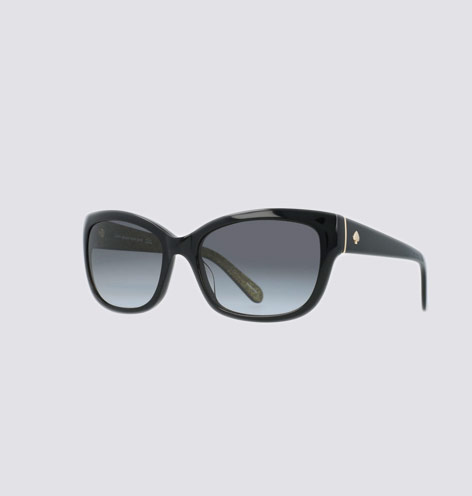
Low winter sun on the Gardiner, wet pavement after a summer storm, headlights on an early drive home – these are the moments when driving sunglasses earn their place in the car. The right pair can reduce uncomfortable glare, improve visual comfort and help you keep your attention where it belongs: on the road.
They are not simply regular sunglasses kept in the glove box. Driving puts different demands on lenses. You need reliable UV protection, useful contrast, a secure fit and a tint that works with changing road conditions. Style still matters, but clear, comfortable vision should lead the decision.
What makes driving sunglasses different?
Driving sunglasses are designed around visual comfort in bright, reflective and fast-changing conditions. Sunlight can bounce off windshields, hoods, snow, water and wet roads. That reflected light causes glare, which can make your eyes feel tired and reduce how comfortably you see detail ahead.
A quality pair should block 100% of UVA and UVB rays. UV protection is not the same thing as a dark lens. A lens can look very dark without offering the protection your eyes need, so always look for clear UV-protection information rather than judging by tint alone.
Lens coverage also counts. Larger lenses and frames that sit close to the face can limit light entering from the sides. This is especially helpful when the sun is low or when light reflects through a side window. The best frame is one you will wear consistently, without pressure points behind the ears or on the bridge of your nose.
Choosing driving sunglasses by lens colour
Lens colour changes how the road, sky and surroundings appear. There is no single best tint for every Canadian driver. Your usual routes, driving hours and sensitivity to bright light make a difference.
Grey lenses for natural colour
Grey lenses reduce overall brightness while keeping colours relatively true. They are a practical all-purpose choice for bright daytime driving, especially if you want traffic lights, signs and the road surface to look natural. If you mainly drive in strong sun and prefer a neutral view, grey is hard to go wrong with.
Brown and amber lenses for contrast
Brown, copper and amber lenses can boost perceived contrast. Many drivers like them for variable light, country roads and days when the sky shifts between sun and cloud. They can make terrain and road definition feel more distinct, although the warmer colour cast is a matter of personal preference.
Green lenses for balanced comfort
Green lenses sit between grey and brown in appearance. They can offer good brightness reduction with comfortable contrast and reasonably natural colour perception. They are worth considering if grey feels too flat but a warm brown lens feels too strong.
Yellow lenses need a cautious approach
Yellow or light amber lenses are often associated with overcast conditions. They may make some scenes appear brighter, but they do not replace proper eyewear for strong sunlight and can distort colour perception. For daytime driving in bright conditions, a darker lens with full UV protection is generally the more dependable option.
Are polarized driving sunglasses always better?
Polarized lenses are popular because they reduce glare reflected from flat surfaces. On a sunny drive, this can make wet pavement, vehicle hoods and water beside the road more comfortable to look at. For many people, polarization provides a noticeably calmer view and less squinting.
There is a trade-off. Some digital dashboards, navigation screens, infotainment displays and head-up displays can look dim, rainbow-coloured or difficult to read through polarized lenses, particularly when your head is tilted. This depends on the vehicle and screen orientation. Before relying on a new pair for a long trip, try them in your own car and check the displays you use most.
Polarization also does not make a lens darker or provide UV protection by itself. Think of it as glare control, not a substitute for high-quality UV protection. If you spend time around water, snow or wet roads, the glare-reducing benefit may be especially valuable.
Fit matters as much as the lens
A lens with excellent optics will not help much if the frame slides down your nose at every stoplight. Driving sunglasses should feel stable when you turn your head to check mirrors, look over your shoulder or move between the car and outdoors.
Look for a frame that rests comfortably without pinching your temples. The lenses should not touch your cheeks when you smile, and the frame should not block your view of mirrors or peripheral traffic. A slightly wrapped frame can improve side coverage, but an overly curved lens may not suit every prescription.
Frame material is also a practical choice. Lightweight acetate or nylon frames can be comfortable for longer drives, while adjustable nose pads may help achieve a more secure fit. If you regularly wear a hat, helmet or over-ear headphones, consider how the arms of the sunglasses sit with them.
Prescription options for clearer road vision
If you need prescription correction to see road signs, dashboard details or distant vehicles clearly, non-prescription sunglasses are not the right answer. Prescription driving sunglasses allow you to correct your vision and manage sunlight in one pair.
Your prescription, lens material and frame shape all affect what is possible. Stronger prescriptions may work better in frames with less wrap, while thinner high-index lenses can help reduce weight and edge thickness. An optician can help confirm which combination will provide the clearest result.
Contact lens wearers have another convenient option: wear contact lenses for vision correction, then choose non-prescription sunglasses for the conditions. This gives you freedom to switch styles and lens tints while maintaining full-field vision. If dry eyes are a concern, keep lubricating eye drops recommended for contact lens use on hand and avoid directing vehicle air vents straight at your face.
When darker is not safer
Very dark lenses may feel comfortable in direct sun, but they are not suitable for dusk, nighttime or low-visibility conditions. Wearing dark sunglasses when light levels drop can make hazards, pedestrians and road edges harder to see. Keep a protective case in the car so you can remove and store your sunglasses as conditions change.
Photochromic lenses can be useful for everyday transitions between indoor and outdoor light, but they may not darken as much inside a vehicle because many windshields block the UV light that activates them. Some products are designed to respond to visible light as well, yet performance varies. If glare control behind the wheel is your priority, dedicated driving sunglasses are often the more predictable choice.
Small habits that keep lenses performing well
A dirty lens can scatter light and make glare feel worse. Clean driving sunglasses with a microfiber cloth and lens-safe cleaner, rather than a shirt sleeve or paper towel that can leave fine scratches. Rinse away grit first if possible.
Keep them in a hard case instead of loose in the console, where keys and debris can damage the lenses. Replace sunglasses when coatings are badly scratched, peeling or warped. A frame that has stretched or sits crooked can also affect comfort and coverage more than you might expect.
For everyday driving, choose the pair that makes the road feel calm, clear and easy to read. Whether you prefer a classic grey lens, contrast-enhancing brown or polarized glare reduction, the right sunglasses support more comfortable miles – from the morning commute to a long weekend drive.