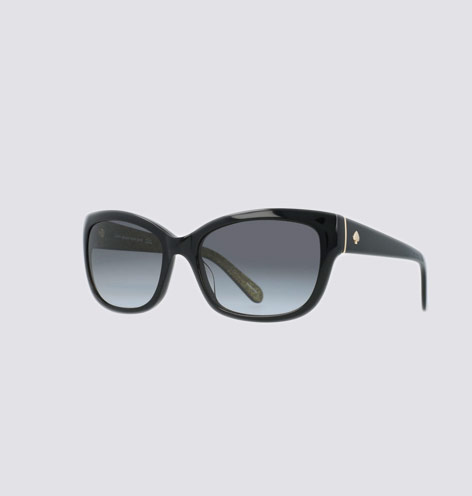
A dark lens can make a sunny patio, highway drive, or afternoon on the water feel far more comfortable. But do sunglasses block UV rays simply because the lenses look dark? No. Lens tint and UV protection are separate features, which is why the label matters more than the shade of the lens.
The practical answer is that quality sunglasses can provide excellent UV protection, but only when they are made and labelled to do so. Before choosing a new pair, look for clear protection information, a comfortable fit, and coverage that suits how you spend time outdoors.
What UV rays can do to your eyes
Ultraviolet radiation is invisible, so it is easy to underestimate. Yet your eyes are exposed whenever you are outside, including on hazy or cool days when the sun does not feel intense. Snow, water, sand, and even bright pavement can reflect light upward, adding to the exposure your eyes receive.
Long-term UV exposure is associated with eye conditions such as cataracts and growths on the surface of the eye. It can also contribute to short-term irritation after strong exposure. Sunglasses are not only a style choice. They are a straightforward part of everyday eye comfort and protection, especially for people who commute, drive, play sports, or spend weekends outdoors.
Do sunglasses block UV rays? Check the label
The most useful wording to look for is UV400 or 100% UVA and UVB protection. UV400 means the lenses block light with wavelengths up to 400 nanometres, covering both UVA and UVB rays that reach the eye.
If a pair has a vague label such as “UV protection” without saying how much, treat that claim carefully. Reputable sunglasses should state the level of protection clearly in the product details, on a lens sticker, or on the packaging. Recognized eyewear brands typically make this information easy to find.
A UV-protective coating can be applied to clear, grey, brown, green, mirrored, or fashion-tinted lenses. The colour changes how bright the world appears and can affect contrast, but it does not prove that UV is being blocked.
Dark lenses are not automatically safer
This point matters because very dark lenses can cause your pupils to open wider in low visible light. If those lenses lack proper UV protection, more UV radiation may enter the eye than it would without the dark tint. That is why inexpensive sunglasses without a reliable UV claim are not a smart compromise.
Choose protection first, then select the lens colour and style you enjoy wearing. The best pair is one you will reach for consistently.
Polarized lenses reduce glare, not UV by default
Polarized sunglasses are excellent for cutting reflected glare from water, wet roads, snow, and vehicle hoods. They can make driving, fishing, boating, skiing, and everyday outdoor time feel more relaxed because your eyes do not have to work as hard against reflected brightness.
However, polarization and UV protection are different technologies. Many polarized sunglasses include full UV protection, but do not assume it. Confirm both features when shopping. For the clearest choice, look for sunglasses described as polarized and UV400, or polarized with 100% UVA and UVB protection.
Coverage matters as much as the lens
UV can reach your eyes from the sides, above, and below a frame. A larger lens or a wraparound design helps limit that stray light, which is particularly useful around reflective surfaces. This does not mean everyone needs oversized frames. It means the frame should sit comfortably and provide sensible coverage for your routine.
For driving and city errands, a well-fitted standard frame may be ideal. For cycling, hiking, beach days, or winter sports, a closer-fitting wrap style can offer better all-around coverage. If sunlight sneaks in around the edges and makes you squint, try a frame with a wider lens or a more curved shape.
Fit also affects whether sunglasses stay protective in real life. Frames that slide down your nose, pinch behind your ears, or feel too heavy are less likely to be worn. Look for a secure fit that feels natural during movement, not only for a quick look in the mirror.
The right lens colour depends on how you use them
Once UV protection is confirmed, lens colour becomes a comfort and performance decision. Grey lenses provide a neutral view and are a popular choice for bright conditions. Brown and amber lenses can enhance contrast, which many people appreciate for driving and variable outdoor light.
Green lenses often balance colour perception and contrast, while yellow or lighter tints may be suited to lower-light activities but are usually not the best option for very bright midday sun. Mirrored finishes can further reduce visible light reaching the eye, although the UV protection should still be stated separately.
There is no single best colour for every Canadian season or activity. A commuter may prefer grey polarized lenses for road glare, while a golfer or hiker may like the contrast of brown lenses. What should not change is the UV protection standard.
Are contact lenses enough for UV protection?
Some contact lenses include UV filters. This can be a helpful extra layer, particularly because the lens moves with your eye. Still, contact lenses do not cover the entire eye or the skin around it, so they should not replace UV-blocking sunglasses.
Think of UV-filtering contacts as added support, not complete outdoor coverage. Pair them with sunglasses when you are outside, especially during long periods in direct or reflected sun. This approach helps protect your eyes while giving you the freedom of movement and clear peripheral vision that contact lens wearers value.
If dry eyes are part of your day, sunglasses can offer another practical benefit. A larger or wrap-style frame may help shield your eyes from wind and airborne debris, which can make outdoor time feel more comfortable. The right eyewear should support both your vision and your routine.
How to choose sunglasses with confidence
When comparing sunglasses online or in store, start with the product specifications rather than the product photo. Confirm UV400 or 100% UVA and UVB protection, then consider polarization if glare is an issue. After that, choose the frame shape, lens colour, and fit that match your lifestyle.
Be cautious with scratched or heavily worn lenses. Small surface marks do not usually remove the UV filter built into a quality lens, but deep scratches can affect clarity and comfort. If your view is distorted, the coating is peeling, or the frame no longer sits properly, replacing the pair is often the more comfortable choice.
Children and teens need reliable UV protection too. Their eyes are exposed during school commutes, playground time, sports, and family holidays, and a durable, well-fitting pair is more useful than one that is treated as an occasional accessory. For every age, consistent wear is more valuable than saving sunglasses only for the hottest days.
Make sun protection easy to keep up
Keep sunglasses where you will use them: in a case near the door, in your daily bag, or in the car. A backup pair can be useful if you move between work, travel, and outdoor activities. Clean lenses with a microfiber cloth and lens-safe cleaner so smudges do not make you squint or reduce visual clarity.
Good sunglasses should make bright days easier, not add another decision to your routine. Choose a pair with verified UV protection, a fit you enjoy, and lenses suited to the places you actually go. Then put them on before the glare starts.