Pollen can turn a perfectly ordinary spring commute, patio lunch, or weekend run into hours of itchy, watery eyes. Effective seasonal allergy eye care starts with reducing what reaches your eyes, then choosing relief that suits your symptoms and your vision routine. For contact lens wearers, a few small adjustments can make a noticeable difference in comfort.
Why seasonal allergies affect your eyes
When pollen, mould spores, grass, or other allergens land on the eye’s surface, your immune system may treat them as a threat. It releases histamine and other chemicals that can cause itching, redness, tearing, puffiness, and a burning or gritty feeling. This reaction is often called allergic conjunctivitis.
Unlike an eye infection, allergy symptoms commonly affect both eyes and tend to come with sneezing, a runny nose, or an itchy throat. The urge to rub your eyes can be intense, but rubbing releases more histamine and may make swelling and irritation worse. It can also transfer pollen from your hands directly to your eyes.
Symptoms often change with the weather. Dry, windy days can carry pollen farther, while rain may temporarily clear it from the air. Local pollen levels, your usual outdoor activities, and the types of allergies you have all affect the care routine that will work best.
Seasonal allergy eye care that fits daily life
The goal is not to avoid the outdoors altogether. It is to limit exposure where you can and give your eyes a calmer environment when symptoms flare.
Start with a simple pollen barrier
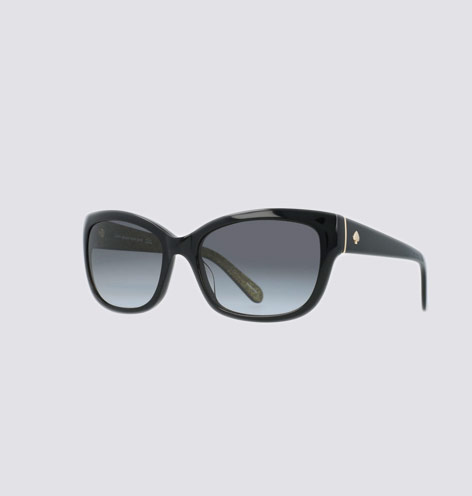
Wraparound sunglasses can help shield your eyes from airborne pollen and wind while you are outside. They also provide useful UV protection on bright days. When you come indoors, wash your hands before touching your face, lenses, or eye area.
A quick face rinse after being outside can remove pollen from your eyelids and lashes. On high-pollen days, it also helps to shower and change clothes after exercise, gardening, or time at the park. Keeping windows closed during peak pollen periods may be worthwhile, particularly in the bedroom where you spend several uninterrupted hours each night.
Use cool compresses for immediate comfort
A clean, cool compress over closed eyelids can ease itching and puffiness without adding medication. Use cool water, not ice directly on the skin, and keep the cloth separate from household towels. This is a practical first step when symptoms are mild or when you need a break from screens.
Artificial tears can also help rinse allergens from the eye surface and improve comfort. Preservative-free options may be a better fit if you need drops frequently or have sensitive, dry eyes. Ask an optometrist or pharmacist which option makes sense for your symptoms, especially if you already use medicated drops.
Keep irritants out of the equation
Allergy eyes are more reactive, so everyday irritants can feel stronger than usual. Smoke, fragranced sprays, dusty fans, and dry indoor air may add to the sting. Avoid directing car vents or fans at your face, and consider taking regular screen breaks if your eyes feel dry by afternoon.
Screens do not cause allergies, but focused screen time reduces blinking. Less blinking can leave the tear film unstable, which makes itchy or watery eyes feel even more uncomfortable. Look away regularly, blink fully, and use lubricating drops if recommended for you.
Contact lenses during allergy season
Contact lenses are a convenient choice for work, sport, and everyday freedom of movement. During allergy season, though, lenses can collect allergens and may feel less comfortable as your eyes become dry or inflamed. That does not always mean you need to stop wearing them for the season. It means your lens routine deserves extra attention.
Daily disposable contact lenses can be particularly helpful during high-pollen periods because you start each day with a fresh lens rather than reusing a lens that may have collected deposits. For reusable lenses, follow the cleaning and replacement schedule exactly. Never top up old solution, rinse lenses with water, or wear them beyond their recommended replacement date.
If your eyes are red, painful, unusually sensitive to light, or producing thick discharge, take your lenses out and do not put them back in until you have received professional advice. Wearing contacts through significant irritation can prolong discomfort and make it harder to tell whether the issue is allergy-related or something else.
It is also wise to keep a current pair of prescription glasses available. On a bad allergy day, switching to glasses gives your eyes a rest and lets you use suitable drops without worrying about lens compatibility. If you use allergy eye drops, check the label and speak with an eye care professional about whether contacts should be removed before use and how long to wait before reinserting them.
Choosing eye drops carefully
Not every eye drop is designed for allergy relief. Lubricating drops add moisture and can wash away some allergens. Antihistamine or antihistamine-mast cell stabilizer drops target itching caused by allergies and may be more useful when symptoms are recurring. A pharmacist, optometrist, or physician can help you choose based on your health history and any medicines you take.
Be cautious with redness-relief drops that work by constricting blood vessels. They can make eyes look whiter for a short time, but frequent use may lead to rebound redness. They also do not address the allergy itself.
The best option depends on your main symptom. Someone with dry, gritty eyes may need a different approach than someone whose chief complaint is intense itching after every outdoor walk. If you are pregnant, breastfeeding, managing glaucoma, or treating another eye condition, get individualized advice before starting medicated drops.
When eye symptoms need professional care
Most seasonal allergy symptoms are manageable, but some signs should not be dismissed as ordinary pollen irritation. Arrange prompt assessment for eye pain, changes in vision, marked light sensitivity, significant swelling, a sensation that something is stuck in the eye, or discharge that is yellow or green. Seek urgent care if you have sudden vision loss, a chemical splash, an eye injury, or severe pain.
It is also worth booking an eye exam if allergy symptoms return every season, disrupt sleep or work, or make contact lens wear consistently difficult. An optometrist can check for dry eye, eyelid inflammation, lens fit concerns, or other conditions that can mimic allergies. A clearer diagnosis often leads to a much simpler routine.
Build a routine before pollen peaks
The most comfortable allergy season is often the one you prepare for before symptoms become severe. Keep sunglasses within reach, make handwashing automatic after outdoor time, and ensure you have enough lenses, solution, or preservative-free tears before you run low. For recurring symptoms, ask your eye care professional whether starting treatment before your usual allergy season is appropriate.
At Precisely Contacts, everyday vision care is meant to feel straightforward. Stocking up on the contact lenses and eye comfort essentials that suit your routine can remove one less worry from a busy allergy season.
Clear, comfortable eyes may take a little planning when pollen is high, but relief usually comes from consistent habits rather than a single quick fix. Give your eyes a break when they ask for one, and get professional guidance when symptoms do not behave like your usual allergies.