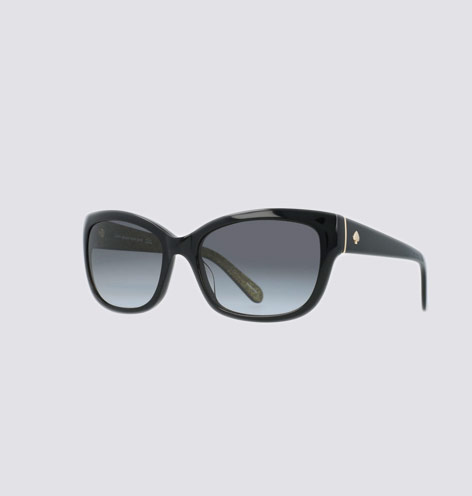
A good pair of sunglasses should do more than make a bright afternoon tolerable. Whether you are driving into low winter sun, cycling on a trail, or spending a long day near the water, the lens determines how clearly and comfortably you see. This Oakley lens review looks at what sets Oakley lenses apart, where the premium is worthwhile, and how to choose a tint that suits the way you actually spend time outdoors.
Oakley has built its reputation around performance eyewear, but its lenses are not reserved for elite athletes. Many everyday wearers appreciate the same practical benefits: dependable UV protection, reduced glare, durable materials, and sharper visual contrast in changing light. The right choice depends on your environment, activity, and sensitivity to bright conditions.
What Oakley Lenses Are Designed to Do
Oakley sunglasses use lens technologies designed to protect the eyes while helping details stand out in specific environments. The brand’s Plutonite lens material is lightweight and impact resistant, making it a strong option for active days, commuting, and general wear. It also provides full UVA, UVB and UVC protection, helping reduce exposure to the sun’s harmful rays.
The main benefit is not simply darker vision. A quality sunglass lens manages light in a controlled way. It can reduce uncomfortable brightness while preserving useful detail in the road, terrain, water, or surroundings. That distinction matters when cheap lenses make everything look dim but do little to improve visual definition.
Oakley lenses are available in several tints and treatments, so performance can vary meaningfully from one model to another. A dark grey lens may suit bright, open conditions, while a rose or bronze-based option can be more useful when contrast matters. The frame also affects the experience. A wraparound frame can offer greater side coverage, while a lifestyle frame may be easier to wear from morning to evening.
Oakley Lens Review: Prizm Technology Explained
Prizm is Oakley’s best-known lens technology. Instead of treating all colours equally, Prizm lenses are designed to filter selected wavelengths of light to improve contrast and make visual cues easier to notice. In practical terms, this can mean seeing changes in pavement texture, separating greens and browns on a trail, or picking out details in variable light more quickly.
The effect is noticeable, although it is not magic. Prizm lenses do not create a high-definition version of the world or make every scene look dramatically brighter. Their strength is more subtle: colours can appear more separated, and visual detail may feel easier to process. For people who spend a lot of time outdoors, that can reduce squinting and make long periods in bright conditions more comfortable.
Different Prizm lens options are tuned for different uses. Prizm Road is aimed at cyclists and runners who need to spot road changes and obstacles. Prizm Trail is intended to improve contrast on dirt, roots, and changing terrain. Prizm Golf emphasizes the greens and contours that matter on the course. For general use, options such as Prizm Black, Prizm Grey, and Prizm Sapphire can provide a balanced everyday view with different looks and light transmission levels.
The trade-off is that a specialized lens is not always the most flexible choice. If you want one pair for driving, patios, weekend walks, and travel, an everyday Prizm tint may make more sense than a sport-specific option. The best lens is the one that matches your regular routine, not necessarily the one with the most technical name.
Polarized Oakley Lenses: When They Make Sense
Polarized lenses are designed to reduce reflected glare from flat surfaces such as water, snow, wet pavement, and vehicle hoods. That makes them especially appealing for boating, fishing, beach days, driving, and winter activities. When glare is the problem, polarization can make a significant difference in comfort and visibility.
Oakley polarized lenses combine glare reduction with the brand’s lens materials and tint options. They are a practical upgrade for people who regularly encounter intense reflected light. A polarized lens can make it easier to see beneath the surface of the water and reduce eye strain during a long drive on a sunny day.
There are a few situations where non-polarized lenses may be preferable. Some digital displays, including certain vehicle screens or phone screens, can look darker or show colour distortion when viewed through polarized lenses. Skiers and snowboarders may also prefer a lens that helps them read icy patches and surface texture without changing the appearance of glare in a way that feels unfamiliar. Personal preference plays a real role here.
If your sunglasses are mainly for city wear and occasional outdoor time, polarization is useful but not essential. If water, snow, or driving are central to your lifestyle, it is often worth considering.
Clarity, Coverage, and Everyday Comfort
Lens quality is only useful if the sunglasses stay comfortable on your face. Oakley’s lightweight materials and sport-focused designs can be a strong fit for people who move between work, errands, exercise, and outdoor plans. Many styles use secure nose pads and temple grips to help reduce slipping when you sweat.
Optical clarity also depends on lens shape. Curved lenses offer wide peripheral coverage and can block more side light, which is helpful for cycling, running, and high-glare settings. However, some people prefer flatter, more casual frame shapes for everyday styling. Neither is automatically better. A well-fitted frame that sits comfortably without pinching or sliding will give you a better experience than a highly technical frame that stays in its case.
For prescription wearers, lens compatibility deserves extra attention. Not every Oakley frame and lens shape is suitable for every prescription, especially with strong corrections or highly curved wraps. Prescription sunglasses can be a worthwhile investment for clear outdoor vision, but it is smart to choose a frame that supports your prescription comfortably and accurately.
Durability and Care: The Real-World Test
Oakley lenses are made for active use, but no lens is completely scratch-proof. Lens coatings can be damaged by rough handling, salt residue, dust, or cleaning with a dry shirt. A microfiber cloth, clean water, and a lens-safe cleaner are the simple habits that help preserve clarity over time.
It is also worth using a protective case when the sunglasses are in a bag, glove compartment, or travel luggage. Sunglasses often get scratched during ordinary moments rather than outdoor activities – when keys, headphones, or loose change are nearby.
Replacement lenses can be useful if a frame is still in excellent condition but the lenses are worn or if you want a different tint for a specific season. Before choosing replacements, confirm that they are made for your exact frame model and fit securely. A poor fit can affect both comfort and optical performance.
Are Oakley Lenses Worth the Price?
For shoppers who want sunglasses primarily as a fashion accessory, a lower-priced pair may be enough. But for people who drive often, play sports, spend time around water, or simply dislike the fatigue of harsh sunlight, Oakley lenses can justify the investment. The value comes from the combined experience of UV protection, visual contrast, glare control, coverage, and durable construction.
Prizm technology is most compelling when you can identify a use for it. Trail runners, golfers, cyclists, and active commuters may appreciate the extra contrast. Polarized options are particularly persuasive for water and road glare. For everyday use, choose a versatile lens colour and a frame you will be happy to wear regularly.
At Precisely Contacts, the goal is simple: make choosing reliable eyewear feel less complicated. Start with where you wear sunglasses most, then select the lens feature that solves that specific problem. The pair that makes your commute, weekend plans, or time outside more comfortable is the pair you are most likely to reach for every day.