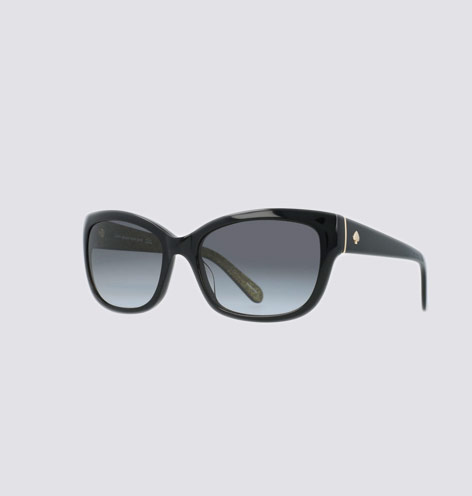
A bright drive home, a patio lunch, a snowy walk, or an afternoon by the water can leave your eyes feeling tired long before the day is over. So, can sunglasses prevent eye strain? They can certainly help when glare and intense sunlight are the cause. The right pair reduces squinting, improves visual comfort, and protects your eyes from ultraviolet exposure. But sunglasses are not a complete answer to every type of eye strain.
Can sunglasses prevent eye strain from sunlight?
Yes, especially when your discomfort starts outdoors. Sunlight forces the eyes to work harder to manage brightness, reflected light, and changing contrast. You may narrow your eyes, tense the muscles around them, or struggle to keep your focus steady. That effort can lead to tired, watery, irritated, or achy eyes, sometimes with a headache.
Sunglasses reduce the amount of visible light reaching your eyes. This makes it easier to see comfortably in bright conditions and can reduce the urge to squint. For many people, that is the most noticeable benefit within minutes of putting them on.
They are particularly useful around surfaces that reflect light strongly, including water, snow, pale pavement, car hoods, and windows. Canadian winters can be surprisingly demanding on the eyes because snow reflects so much sunlight. A quality pair of sunglasses is not only a warm-weather accessory.
Glare is often the real problem
Bright light is not always the same as glare. Glare occurs when reflected light creates an intense, distracting shine that makes details harder to see. Think of sun flashing off a wet road or a lake. Your eyes may still feel strained even when the sky does not seem exceptionally bright.
Sunglasses with polarized lenses can be especially helpful for reflected glare. They are a practical choice for driving, boating, fishing, beach days, and outdoor activities where light bounces off horizontal surfaces. By reducing that harsh reflection, polarized lenses can make the scene feel calmer and clearer.
There is one trade-off: polarized lenses can make some digital screens, dashboard displays, and certain instrument panels look darker or distorted at particular angles. If you rely on those displays often, try sunglasses on in the situations that matter most to you.
UV protection supports long-term eye health
UV protection is essential, but it works differently from glare reduction. A dark lens without proper UV protection may make your surroundings look dimmer while still allowing harmful ultraviolet rays to reach your eyes. That is why lens darkness alone is not a reliable measure of protection.
Look for sunglasses that provide 100% UVA and UVB protection, or are labelled UV400. This helps protect the eyes and the delicate skin around them from sun exposure. It may not immediately resolve every tired-eye symptom, but it is a smart everyday safeguard when you spend time outside.
What sunglasses can and cannot do for tired eyes
Sunglasses are effective when your eye strain is linked to outdoor brightness, glare, wind, or reflected sunlight. They can also make it easier to keep your eyes open naturally, rather than constantly scrunching your face against the light.
However, sunglasses will not correct strain caused by an outdated prescription, prolonged screen use, poor indoor lighting, lack of sleep, or dry eye disease. If your eyes feel tired while reading, working at a computer, or wearing contacts indoors, the cause may be unrelated to sunlight.
This distinction matters. Wearing sunglasses outdoors may make your day more comfortable, but persistent discomfort deserves a closer look. If strain is frequent, worsening, or paired with blurred vision, pain, redness, light sensitivity, or headaches, book an eye exam with an eye care professional.
Choose lenses for the way you spend time outside
The most comfortable sunglasses are not always the darkest pair on the shelf. Lens colour, polarization, coverage, and fit all influence how your eyes feel after a few hours outdoors.
Lens tint affects contrast and comfort
Grey lenses offer natural colour perception and are a versatile choice for general use. Brown, bronze, or amber tints can enhance contrast, which many people appreciate for driving, cycling, and variable light. Green lenses can provide balanced colour perception and comfortable brightness control.
The best tint is partly personal preference. If possible, consider where you will wear your sunglasses most. A style that works beautifully for a sunny patio may not be your favourite for long road trips or trail days.
Coverage matters as much as lens quality
Light can enter from the top, sides, and bottom of the frame. Larger lenses, wraparound shapes, and frames that sit close to the face offer better coverage in intense sun, wind, and reflective environments. This can be especially helpful for active days, contact lens wearers, and anyone whose eyes water outdoors.
A frame should feel secure without pinching at the temples or sliding down your nose. Constantly pushing sunglasses back into place is inconvenient, and a poor fit can leave too much light entering around the lenses.
Prescription sunglasses make outdoor vision easier
If you need vision correction, prescription sunglasses can reduce the need to switch between clear glasses and non-prescription sunwear. They allow you to enjoy sharp distance vision, UV protection, and glare control in one pair.
For contact lens wearers, non-prescription designer sunglasses remain a convenient option. Contacts provide your vision correction while sunglasses add coverage and sun protection. This combination offers freedom of movement for driving, workouts, travel, and everyday errands.
Dry eyes, contacts, and sunny conditions
Sun is not the only outdoor trigger. Wind, dust, air conditioning, and long periods of concentration can make dry-eye symptoms more noticeable. Contact lens wearers may experience stinging, a gritty feeling, fluctuating clarity, or eyes that become tired faster late in the day.
Well-fitting sunglasses can help by creating a small barrier against wind and airborne irritants. Wraparound styles provide more protection than narrow frames, particularly on bikes, boats, or walks in breezy conditions.
That said, sunglasses do not replace proper contact lens care or dry eye support. Follow your lens replacement schedule, use products recommended for your eyes, and avoid wearing lenses longer than advised. If lenses regularly feel dry or uncomfortable, an eye care professional can help identify whether your lens material, wearing routine, or tear film needs attention.
When eye strain needs more than sunglasses
A good pair of sunglasses should make bright outdoor conditions easier to manage. If your symptoms continue in normal indoor light, there may be another factor at work. Screen-related strain, for example, often improves with regular breaks, a comfortable viewing distance, reduced screen glare, and an up-to-date prescription.
Do not wear very dark sunglasses indoors to manage discomfort unless an eye care professional has advised it. Dark lenses can make indoor tasks harder and may cause your eyes to adapt to lower light in a way that feels less comfortable later.
Pay attention to patterns. If symptoms happen only while driving into the sun, glare control may be the answer. If they appear after every workday, during reading, or while wearing contacts, sunglasses may only be part of the solution.
A practical checklist before you buy
For daily outdoor use, prioritize full UVA and UVB protection first. Then consider polarized lenses if reflected glare bothers you, a tint that suits your routine, and a frame shape that gives your eyes adequate coverage. Comfort is not a minor detail – sunglasses that fit well are the sunglasses you will actually wear.
Style matters too. The right pair should feel at home on a commute, at the park, on a road trip, or during a weekend away. Recognized eyewear brands offer a range of frame shapes and lens options, making it easier to find protection that also suits your look.
The best sunglasses do more than darken a sunny view. They help your eyes stay relaxed, protected, and ready for whatever the day brings.