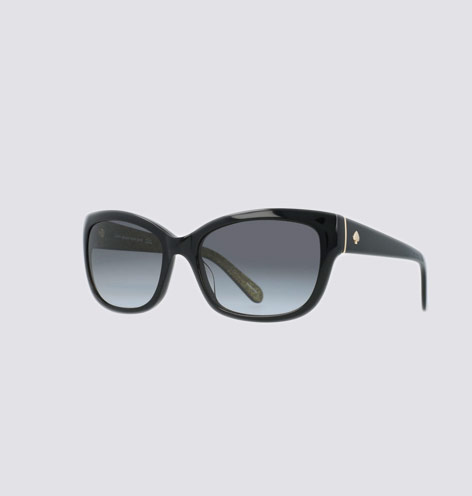
A bright drive on Highway 401, sunlight bouncing off a lake, a patio lunch with glare coming off every glass table – these are the moments when polarized designer sunglasses earn their place. They do more than complete an outfit. The right pair helps your eyes feel more comfortable when light is reflecting from roads, water, snow, vehicles, and other flat surfaces.
For Canadian shoppers, the best choice is rarely just about the logo on the temple. It is about finding trusted eyewear that feels good for a long day, suits how you move through it, and gives you reliable protection from UV exposure. Polarization can make a noticeable difference, but it is only one part of choosing sunglasses you will reach for every time you leave the house.
What polarization actually changes
Light normally travels in many directions. When it reflects off a flat surface, it becomes concentrated in a horizontal direction, creating the intense glare that makes you squint. Polarized lenses contain a filter that blocks much of this horizontally reflected light.
The result is often clearer, more relaxed outdoor vision. Roads can be easier to read while driving, water may look less blinding at the shoreline, and snowy conditions can feel less harsh. Colours and contrast may also appear more defined because your eyes are not working around the same level of reflected glare.
Polarization is not the same as UV protection. A lens can block ultraviolet rays without being polarized, and a polarized lens should still clearly state that it provides 100% UVA and UVB protection. Both features matter. UV protection helps protect your eyes from harmful rays, while polarization is primarily about visual comfort and glare reduction.
Why choose polarized designer sunglasses?
Designer sunglasses can bring together lens performance, durable materials, a considered fit, and a frame shape that feels distinctly personal. That combination matters when sunglasses are part of your daily routine rather than an occasional accessory.
A well-made frame should sit securely without pinching your nose or pressing behind your ears. Better construction can also mean hinges that stand up to regular use and materials that retain their shape more reliably over time. It depends on the brand and model, of course, but quality is worth evaluating beyond the name alone.
The design element has practical value, too. If you genuinely like how your sunglasses look, you are more likely to wear them consistently. That is a simple advantage when UV protection only works when the sunglasses are actually on your face.
For people who wear contact lenses, sunglasses add an extra layer of comfort outdoors. Contacts offer freedom from prescription glasses during activity, while a good pair of sunglasses helps shield your eyes from wind, bright light, and airborne dust. If dry eye is a concern, wraparound or larger lens shapes can reduce how much wind reaches the eye area, though they do not replace dry-eye treatment or advice from an eye care professional.
Choosing polarized designer sunglasses for your routine
Start with where and when you will wear them. If your sunglasses spend most of their time in the car, polarization is an easy choice. Reflections from wet pavement, windshields, and vehicle hoods can be distracting, particularly during early morning and late afternoon drives.
If your weekends involve boating, fishing, cottage trips, or time near the water, polarized lenses are especially useful. Reducing surface glare can make it more comfortable to look toward the water for longer periods. The benefit is similar during winter: sunlight reflecting off snow can be intense, even on a cloudy day.
For city wear, the decision may come down to comfort and style. Glass storefronts, sidewalks, parked cars, and patio surfaces all create glare. A classic polarized frame can make errands, walks, and commutes feel easier on bright days without looking overly technical.
Lens colour matters more than many shoppers expect
Grey lenses are a dependable everyday option because they reduce brightness while keeping colour perception relatively natural. They work well for driving, general outdoor use, and people who prefer a neutral view.
Brown, bronze, or amber lenses can enhance contrast, which some people appreciate for driving, variable light, and outdoor activities. Green lenses offer a balanced look that can feel comfortable in bright conditions. The best choice is personal: think about the light you encounter most often and the tint you find easiest to wear.
Mirrored lenses can further reduce the amount of visible light reaching your eyes, making them useful in very bright settings. They also offer a more distinctive look. Keep in mind that the mirror finish is cosmetic as well as functional, so proper care helps preserve its appearance.
Frame fit comes before trends
A frame that looks excellent in a product photo may still be wrong for your face or lifestyle. Check lens width, bridge width, and temple length against sunglasses you already own and wear comfortably. These measurements give you a practical starting point when shopping online.
Oversized frames provide generous coverage and make a strong style statement. Aviators have a timeless, versatile profile. Wayfarer-inspired shapes suit many face types, while sportier wrap styles offer more side coverage for cycling, driving, and active days. There is no universal best shape – the best frame is the one that stays comfortable and gives you the coverage you want.
Also consider weight. Heavier frames can feel substantial and premium, but lightweight acetate, nylon, or metal styles may be easier to wear for hours. If you frequently take sunglasses on and off, a secure fit is more useful than a frame that needs constant adjustment.
A few situations where polarization is not ideal
Polarization is a strong everyday option, but it has a trade-off. It can make certain LCD or LED screens harder to see at particular angles. That includes some vehicle displays, phones, older GPS units, and instrument panels. Tilting your head or screen may solve the issue, but it is worth considering if you rely heavily on displays while outdoors.
Some pilots and people who use specialized instruments may prefer non-polarized lenses because of display visibility or how polarization interacts with aircraft windshields. Certain skiers also choose non-polarized lenses in flat light, as glare reduction can occasionally make icy patches or surface changes less obvious. Your activity should guide the lens choice.
For most walking, driving, travelling, and waterside use, these limitations are minor compared with the comfort polarization provides. Still, knowing them before you buy leads to a more confident decision.
How to shop with confidence online
When comparing sunglasses, look beyond product images. Confirm that the lenses offer 100% UV protection and verify whether the model is polarized rather than assuming it from the tint. Read the frame measurements, review the material, and choose a colour and shape you can see yourself wearing often.
It also helps to think about your existing eyewear. A bold frame can be a great choice if your everyday glasses are understated. If you want one pair that works with almost everything, black, tortoise, brown, gold, and neutral lens colours are easy to wear across seasons. For a more active routine, prioritize coverage, grip, and a frame that will not feel distracting during movement.
At Precisely Contacts, shopping for recognized designer eyewear is designed to feel straightforward: choose the features that support your routine, select a style you enjoy wearing, and order with confidence from a Canadian eyecare retailer.
Your sunglasses should make bright days feel simpler, not make you second-guess your choice. Pick the pair that protects your eyes, fits your life, and makes you want to step outside.