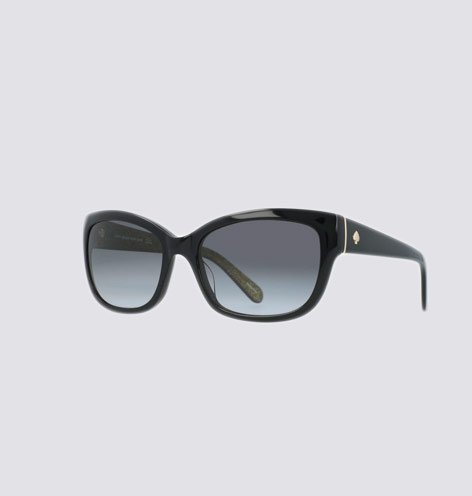
A bright drive home, a patio lunch, a day on the water – squinting through regular glasses can make all of it less comfortable. Knowing how to buy prescription sunglasses means you do not have to choose between sharp vision, eye protection and a frame you actually want to wear.
Prescription sunglasses are made to correct your vision while reducing glare and filtering harmful UV rays. The online process is straightforward when you have a current prescription, understand a few lens choices and take a moment to check frame fit before placing your order.
Start with a current glasses prescription
Prescription sunglasses use your eyeglass prescription, not your contact lens prescription. The numbers may look similar, but they are measured differently because contacts sit directly on the eye while sunglass lenses sit in front of it.
Have a copy of your valid glasses prescription ready. You will usually need sphere (SPH), cylinder (CYL) and axis values if you have astigmatism. Some prescriptions also include an addition (ADD) for reading or progressive lenses, prism values, and pupillary distance (PD). Enter every value exactly as written, including plus and minus signs.
If your prescription is older or your vision has changed, book an eye exam before ordering. Headaches, frequent squinting, blurry night vision or trouble shifting focus from near to far are good reasons not to reuse an old prescription. Your optometrist can also confirm whether single-vision, reading or progressive sunglasses best suit your needs.
Confirm your pupillary distance
PD is the distance between the centres of your pupils. It helps position the prescription correctly in each lens. A precise PD is especially useful for stronger prescriptions, progressive lenses and larger frames, where even a small positioning error can affect comfort and clarity.
Your eye care provider may include it with your prescription. If it is not listed, ask for it or use a reliable measurement method provided by your eyewear retailer. Avoid guessing, particularly if you wear a multifocal prescription.
Choose lenses for how you spend your time
The best lens is not always the darkest one. Think about when and where you will wear your sunglasses most often: commuting, walking, driving, playing sports, travelling or spending time near water and snow.
Every pair should offer full UV protection. Look for lenses that block both UVA and UVB rays. UV protection is a health and comfort feature, not simply a cosmetic upgrade, and it matters even on cloudy days.
Lens tint affects what you see and how comfortable your eyes feel. Grey tints offer natural-looking colour perception and are a versatile choice for everyday wear. Brown or bronze tints can boost contrast, which many people enjoy for driving, hiking and variable light. Green tints balance contrast and natural colour. The right option comes down to personal preference and the conditions you face most often.
Decide whether polarization is worth it
Polarized lenses reduce reflected glare from flat surfaces such as wet roads, water, snow and vehicle hoods. They can make driving and outdoor activities noticeably more comfortable, especially during a Canadian summer or winter day when reflective glare is intense.
There is one trade-off: polarization can make some digital displays harder to read at certain angles. Pilots, people who rely on specific dashboard screens, or anyone using equipment with LCD displays may prefer non-polarized lenses. For many drivers and outdoor enthusiasts, however, the glare reduction is well worth it.
Consider lens material and coatings
Lens material affects weight, thickness and impact resistance. Standard plastic is a practical option for lower prescriptions. Polycarbonate and similar impact-resistant materials are often a good fit for active wear because they are light and durable. High-index lenses can keep stronger prescriptions thinner and less bulky.
An anti-scratch coating helps lenses stand up to everyday use, though no lens is completely scratch-proof. A backside anti-reflective coating can also reduce reflections bouncing from behind the lenses, which is useful when the sun is at your back. If you are choosing polarized lenses, this combination can make a real difference in bright conditions.
Pick a frame that fits before you focus on style
Designer sunglasses can look great in a product photo and still feel wrong after an hour. Fit determines whether the frame stays in place, provides useful coverage and keeps the optical centre of the lenses where it should be.
Check the measurements printed inside a pair of glasses you already like. They commonly appear as three numbers, such as 54-18-145. These represent lens width, bridge width and temple length in millimetres. They give you a useful starting point when comparing online frames.
A well-fitting sunglass frame should sit comfortably on your nose without pinching, rest securely behind your ears and keep your eyelashes from touching the lenses. The frame should not slide down when you look down or move your head. Larger lenses give more side coverage, but oversized frames can be less suitable for high prescriptions because the lens edges may become thicker.
Frame shape also matters. A wraparound or curved sport frame offers excellent coverage but may not accommodate every prescription. Stronger prescriptions and progressives often work best in frames with moderate curve and enough vertical lens depth. If you are unsure, choose a classic shape with a stable fit or ask for help before ordering.
How to buy prescription sunglasses online without surprises
Once you have selected a frame, ordering is largely a matter of matching the product options to your prescription and lifestyle. Take your time at this stage. A few minutes of checking details can prevent a remake or a pair that spends more time in its case than on your face.
First, select the frame size and colour you want. Next, choose the lens type that matches your prescription: single vision for one viewing distance, reading lenses for close work, or progressives if you need distance and near correction in the same pair. Then choose your tint, polarization and any lens upgrades.
Before submitting the order, review these details carefully:
- Your right-eye and left-eye values are entered in the correct fields.
- SPH, CYL and axis numbers match your prescription exactly.
- Your PD and ADD values are included where required.
- The frame is appropriate for your prescription strength and lens type.
- Your selected lens features suit your main use, rather than just the look you prefer.
Save a copy of the prescription and your order confirmation. If you are using vision benefits, check your plan requirements before purchasing. Some plans reimburse prescription sunglasses, while others have limits on frequency, lens upgrades or eligible providers.
Know when a second pair makes sense
One pair can cover everyday needs, but a second pair may be practical if you divide your time between driving, work and outdoor activities. For example, a classic polarized pair can live in the car, while a lighter sport-oriented frame can be reserved for cycling, running or weekends at the lake.
This is also where contact lens wearers have options. Contacts paired with non-prescription sunglasses offer broad flexibility for sports and changing styles. Prescription sunglasses are often more convenient when you do not want to wear contacts, have dry-eye discomfort or simply prefer glasses on a given day. Neither choice is automatically better. The right setup is the one that keeps your vision clear and your eyes comfortable.
Make your sunglasses last
Keep sunglasses in a protective case when they are not on your face. Rinse away dust or grit with lukewarm water before wiping the lenses, then use a clean microfibre cloth and lens-safe cleaner. Wiping dry sand or debris across a lens is one of the quickest ways to create fine scratches.
Avoid leaving your sunglasses on a hot dashboard for long periods. High heat can affect lens coatings and frame shape over time. If the frame begins to loosen or sit unevenly, have it adjusted rather than forcing it back into shape yourself.
The right prescription sunglasses should feel like an easy part of your routine: clear vision for the road ahead, reliable UV protection outdoors and a frame you are happy to reach for. If you need help narrowing down frame or lens options, Precisely Contacts can help make your online choice feel more confident.