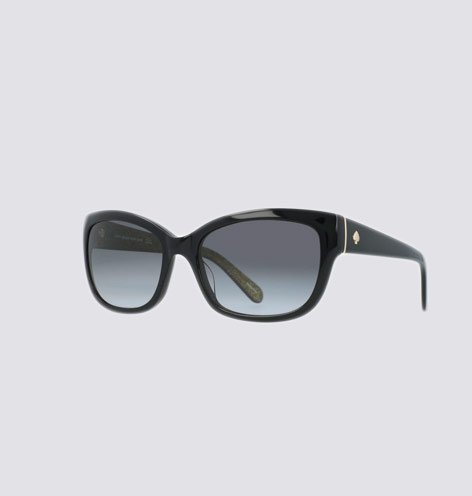
A fogged-up lens when you step in from the cold. Glasses slipping during a workout. Frames competing with your sunglasses. These are familiar reasons people start thinking about switching from glasses to contacts. Contact lenses can offer clear, full-field vision and more freedom for work, sport, social plans and everyday routines – but the right start matters.
Contacts are not simply glasses without frames. They sit directly on the eye, so your lens type, prescription, fit and care routine all affect how they feel. A little preparation makes the transition much easier.
Is switching from glasses to contacts right for you?
For many people, contacts are a practical addition rather than a total replacement for glasses. They can be especially useful if you play sports, work outdoors, wear protective equipment, or prefer an unobstructed view. Unlike glasses, contact lenses move with your eyes, which can make peripheral vision feel more natural.
They also give you more choice with your look. You can wear sunglasses without needing prescription lenses in every pair, and you are not limited by frame style. For active days, travel or special occasions, that flexibility can be a real benefit.
Still, contacts involve daily responsibility. You need clean hands, a consistent replacement schedule and a reliable supply of lenses. If your eyes are frequently dry or irritated, your eye care professional may recommend a specific material, wearing schedule or dry eye product. The goal is not to push through discomfort. The goal is comfortable, healthy vision.
Start with a contact lens fitting
Your glasses prescription is helpful, but it is not always enough to order contact lenses. A contact lens prescription includes details that glasses prescriptions do not, such as the lens brand or material, base curve and diameter. These measurements help ensure the lens sits correctly on your eye.
An eye care professional will assess your vision and the health of your eyes, then recommend lenses suited to your prescription and lifestyle. If you spend long days on screens, play sports, work shifts or notice dryness in heated indoor spaces, say so. Those details can affect which lenses are a good match.
The fitting appointment also gives you the chance to practise putting lenses in and taking them out. Most first-time wearers feel awkward at first. That is normal. The process becomes quicker with calm, regular practice, and your provider can show you a method that works for you.
Your first lenses may not be your forever lenses
The first recommended lens is a starting point, not a commitment. Some people prefer the convenience of daily disposable lenses, while others are comfortable with biweekly or monthly lenses. Your eye care professional may adjust the lens type after you have had time to assess comfort and vision in real life.
Be specific at your follow-up if anything feels off. Dryness late in the day, blurred vision, a lens that shifts, or recurring redness are all worth mentioning. A different lens design or replacement schedule may make a noticeable difference.
Choose a replacement schedule that fits your routine
Daily disposable lenses are opened fresh each day and discarded after use. They are a convenient option for occasional wearers, busy schedules and people who would rather skip cleaning and storage. They can also be useful if you travel often or want to wear contacts for sports without committing to a full-time routine.
Reusable lenses, including biweekly and monthly options, can be a cost-effective choice for regular wear. They require proper cleaning, disinfecting and storage every time you remove them. That routine is manageable for many wearers, but it only works when it is followed consistently.
There is no single best schedule for everyone. Daily lenses may offer simplicity, while reusable lenses can suit someone who is organized with lens care and wears contacts most days. Your prescribed lens type and your ability to follow the recommended replacement schedule should guide the decision.
Build a comfortable wear routine
The most common first-week challenge is not insertion. It is remembering that contacts need a gradual adjustment period. Your eye care professional may suggest starting with a few hours a day and increasing wear time as directed. Do not extend wear just because the lenses feel fine at first.
Before handling lenses, wash and dry your hands with a mild, fragrance-free soap. Avoid oily lotions, which can transfer to the lens and affect clarity. Place one lens in your palm, check that it is not inside out or damaged, then use the technique you learned during your fitting.
If your eyes feel dry after screen time, take regular visual breaks and blink fully. Indoor heating, air conditioning, wind and long drives can all make lenses feel less comfortable. Preservative-free lubricating drops recommended for contact lens wearers may help, but use only products compatible with your lenses.
A lens should not hurt. If you feel sharp discomfort, remove it, inspect it and rinse it with the appropriate solution if it is a reusable lens. If discomfort, redness, light sensitivity or reduced vision continues after removal, stop wearing lenses and contact an eye care professional promptly.
Lens care is part of clear vision
Reusable lenses need more than a quick rinse. Use fresh solution every time you clean and store them, and follow the rub-and-rinse instructions provided for your lenses and solution. Never top up yesterday’s solution in the case.
Water is not a substitute for contact lens solution. Do not rinse lenses or cases with tap water, and do not shower, swim or use a hot tub while wearing lenses unless your eye care professional has advised you otherwise. Water can expose lenses to microorganisms that may cause serious eye infections.
Your lens case needs attention, too. Empty it after use, rinse it with fresh solution as directed, leave it open to air-dry and replace it regularly. For daily disposable lenses, discard them at the end of the day. Never save a daily lens for another wear.
Just as importantly, do not sleep in contacts unless they were specifically prescribed for overnight wear. Even then, follow your provider’s instructions closely. Sleeping in lenses not designed for it raises the risk of irritation and infection.
Keep glasses as your dependable backup
Even satisfied contact lens wearers should keep an up-to-date pair of glasses. You will need them when your eyes need a rest, when you are unwell, during allergy season, or if a lens tears or goes missing. Glasses are also the better choice if your eyes are red, sore or unusually dry.
Having a backup helps make contact lens wear feel less stressful. You do not need to force a lens into an irritated eye because it is your only way to see clearly. That is a small practical detail that protects both comfort and confidence.
Ordering contacts online with confidence
Once you have a current contact lens prescription, reordering online can make routine eye care much simpler. Check every prescription detail before adding lenses to your cart, including the brand, power, base curve, diameter and cylinder or axis where applicable. For multifocal lenses, confirm the add power as well.
Order before your last box runs out. Keeping a little extra supply at home avoids rushed decisions and gives you room for delivery time. Precisely Contacts makes it easy for Canadian customers to shop recognized contact lens brands and everyday eye comfort products from one convenient place.
If you are unsure whether a product matches your prescription, pause and ask for support rather than guessing. A similar-sounding lens is not necessarily the same lens. Staying with the prescribed parameters is the straightforward way to protect fit, comfort and clear vision.
Your first few days in contacts may feel like a new skill, because they are. Give yourself a little time, follow your fitting guidance, and keep your glasses close by. With the right lenses and a routine you can stick with, clear vision can feel lighter, freer and ready for whatever your day has planned.