A daily lens should disappear into your routine. If you notice dryness by mid-afternoon, blurry vision after a workout, or irritation when you remove your lenses, the issue may not be contact lenses themselves – it may be the lens type, material, or fit. Knowing how to choose daily contacts helps you shop with more confidence while protecting the comfort and clear vision you rely on.
Daily disposable contacts are designed for one day of wear, then discarded. You start each morning with a fresh, clean pair and skip the cleaning case, solution, and overnight storage that reusable lenses require. That convenience is a major advantage, but the best option is still the one that matches your current prescription, eye health, and everyday habits.
Start With Your Current Contact Lens Prescription
A contact lens prescription is not interchangeable with a glasses prescription. Contact lenses sit directly on the eye, so details such as lens diameter, base curve, power, cylinder, axis, and add power can affect how the lens fits and how clearly you see.
Before ordering, check that your prescription is current and written for contact lenses. If you already wear a daily disposable lens comfortably, reordering the same brand, parameters, and power is usually the simplest choice. A familiar lens offers predictable fit, vision, and comfort.
Do not treat a different brand as a like-for-like swap simply because the power looks the same. Two lenses with identical power can use different materials, shapes, moisture levels, and edge designs. Those differences can change the way a lens feels on your eye. If you want to switch brands or try a new lens type, speak with your optometrist first.
Know the parameters that matter
Your prescription may include more than the basic plus or minus power. If you have astigmatism, you may need toric daily contacts with a cylinder and axis. These lenses are designed to stay in the correct position, helping reduce the blur or shadowing that can happen when a standard spherical lens is not suitable.
If near vision has become more difficult, multifocal daily contacts may be worth discussing with your eye care professional. They are designed to support vision at multiple distances, which can be helpful for reading a phone, using a computer, and seeing across a room without reaching for glasses.
For some prescriptions, daily disposables may not be available in every parameter. That does not mean you should compromise on fit or visual clarity. It simply means your optometrist may recommend another approved option that better suits your eyes.
How to Choose Daily Contacts for Your Lifestyle
The right lens supports the way you actually spend your day. Someone working long hours on screens may notice different comfort needs than someone who spends most of the day outdoors, travels often, or plays sports several times a week.
Daily contacts are especially practical when your schedule is busy or unpredictable. You can put in a new pair before work, pack a few extras for a weekend away, and discard each lens at the end of the day. There is no case to clean after a late night and no need to remember solution when travelling.
They are also a strong option for active lifestyles. Contacts provide a wider field of view than glasses and will not fog up, slide down your nose, or get in the way under a helmet. For running, cycling, gym sessions, and team sports, that freedom of movement can make a noticeable difference.
If you only wear contacts occasionally, daily disposables can be more convenient than opening a reusable lens pack and maintaining a cleaning routine between wears. Occasional wearers still need a valid prescription and proper guidance, but they avoid keeping an opened lens case for weeks at a time.
Compare Materials and Moisture Features
Comfort is personal. A lens that works beautifully for one wearer may not feel as good for another, particularly if dry eye symptoms or allergies are part of the picture.
Many modern daily contacts are made from silicone hydrogel, a material that allows high levels of oxygen to reach the eye. This can be a helpful feature for people who wear lenses for longer days, although more oxygen alone does not guarantee that a lens will feel best for every eye.
Other lenses focus on moisture retention, water-gradient designs, or surface technologies intended to help the lens stay smooth and comfortable throughout the day. These features can be useful if your eyes tend to feel dry in heated offices, air-conditioned spaces, or during extended screen use.
Pay attention to when discomfort starts. If your lenses are comfortable in the morning but feel dry after several hours, a different material or a lubricating eye drop approved for contact lens use may help. If your eyes are red, painful, light-sensitive, or consistently irritated, stop wearing the lenses and contact an eye care professional. Do not try to solve persistent discomfort by wearing lenses longer or using random eye drops.
Allergies and seasonal irritation
Canadian allergy seasons can make contact lens wear less comfortable. Pollen, dust, and other irritants can collect on reusable lenses over time. With daily disposables, you use a fresh lens each day, which can be a practical benefit during periods when your eyes feel more sensitive.
That said, a fresh lens is not a substitute for treating eye allergies properly. If itching, watering, or swelling is a regular issue, ask your optometrist which treatment approach is appropriate and whether you should take breaks from contact lenses when symptoms flare up.
Choose Daily Disposable, Not “Daily Wear,” by Assumption
The phrase “daily contacts” can cause confusion. Most shoppers mean daily disposable lenses, which are worn once and thrown away. “Daily wear” can also describe a lens approved for daytime use but replaced on a different schedule, such as every two weeks or monthly.
Always follow the replacement schedule for the specific lens you have been prescribed. A daily disposable lens should never be cleaned, stored, or worn again the next day. Reusing it can allow deposits and bacteria to build up, even if it still looks fine.
Also, do not sleep in lenses unless your eye care professional has specifically prescribed a lens for overnight wear and advised you to do so. Sleeping in lenses without approval increases the risk of serious eye problems. A simple routine is safest: insert a new pair with clean, dry hands, remove them before bed, and discard them.
Think Beyond the Lens Box
A good contact lens routine includes a backup plan. Keep a pair of current glasses available for evenings, illness, eye irritation, or any day your eyes need a break. Contacts are convenient, but they are not meant to be worn through discomfort.
It also helps to carry a spare pair of daily contacts when you are away from home. A lens can tear, pick up debris, or become uncomfortable unexpectedly. With daily disposables, you can remove the problem lens and replace it rather than trying to rinse and reinsert it.
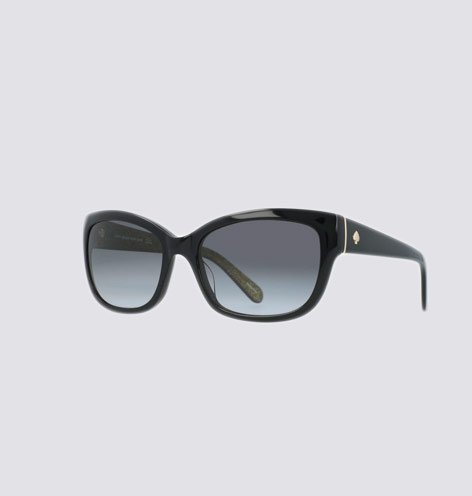
For outdoor time, remember that some contact lenses include UV-blocking features, but they do not cover the entire eye area. Sunglasses remain an important part of eye protection. A quality pair can help shield your eyes from bright light, wind, and reflected glare while adding comfort on long drives, at the cottage, or on the slopes.
Order With Confidence, But Keep Your Care Current
Buying contact lenses online makes routine replacements easier, especially when you know your prescribed brand and parameters. Check the box details carefully before placing your order: power, base curve, diameter, and, where applicable, cylinder, axis, or add power. Small differences matter.
Regular eye exams are still part of effortless eyecare. Your vision can change gradually, and an exam gives your optometrist the chance to assess lens fit, eye surface health, and any dryness or irritation you may have started to accept as normal. A lens that once felt perfect may no longer be the best choice.
The best daily contact lens is not necessarily the newest or the one with the most features. It is the prescribed lens that gives you clear vision, feels comfortable through your usual day, and fits safely into a routine you can maintain. When those three things line up, putting in your contacts becomes one less thing to think about.