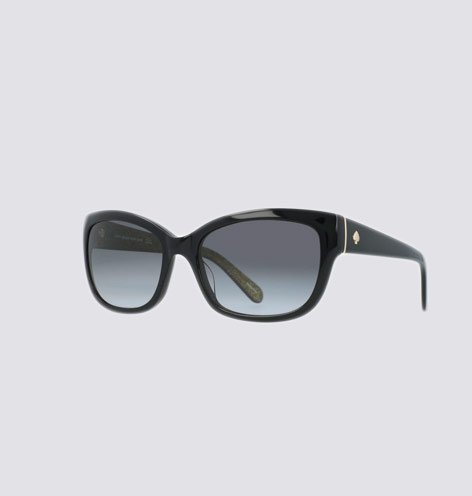
The worst driving glare is rarely the sun directly ahead. It is the white flash bouncing off a wet highway, the reflection from a dashboard, or the low afternoon light catching the back window of the car in front. The top sunglasses for driving glare are designed to manage those everyday distractions while keeping road details clear and comfortable to see.
For most drivers, the best choice is not simply the darkest lens or the most recognizable frame. It is a pair that controls reflected light, offers dependable UV protection, fits securely, and gives you a clear view across the road, mirrors, and instrument panel. Here is what to look for before you choose.
What Makes Sunglasses Better for Driving Glare?
Glare is intense reflected light. It can come from water, snow, wet pavement, light-coloured vehicles, glass buildings, and even the hood of your own car. Your eyes respond by squinting, tiring more quickly, and taking longer to adjust between bright and shaded areas.
A driving-friendly sunglass lens should reduce that discomfort without making the world look overly dark. The goal is improved visual comfort and useful contrast, especially when you are scanning for lane markings, cyclists, pedestrians, and changes in road conditions.
Polarized lenses reduce reflected glare
Polarized sunglasses are often the strongest starting point for daytime driving. Their filter is designed to block much of the horizontally reflected light that creates bright glare on roads and windshields. On a sunny drive near water, after rainfall, or during winter thaw, the difference can feel immediate.
They are not automatically right for every driver. Polarization can make some LCD or LED displays appear dim, patterned, or harder to read from certain angles. This may affect older infotainment screens, digital dashboards, or a phone mount. Try polarized lenses with your vehicle’s display when possible. If screen visibility is a regular issue, high-quality non-polarized lenses with anti-reflective treatment may be the more practical option.
Full UV protection is non-negotiable
Look for sunglasses labelled UV400 or 100% UVA and UVB protection. Dark lenses without adequate UV protection are not a safe substitute. When a lens makes your surroundings darker, your pupils may open wider, allowing more harmful ultraviolet light into the eye if the lens does not block it properly.
UV protection matters on every clear day, but it also matters when clouds soften the sunlight. For Canadian drivers, it is particularly useful during long summer trips, bright winter days, and drives through areas where snow or water intensifies reflected light.
The Best Lens Colours for Clearer Road Vision
Lens colour changes how your surroundings look, so it is worth choosing based on when and where you drive. There is no one colour that suits every road condition.
Grey lenses are a dependable all-purpose option. They reduce brightness while keeping colours relatively true, which makes them easy to wear for commuting, errands, and long daytime drives. If you want a classic lens that does not significantly alter the view, grey is a sensible choice.
Brown, bronze, and copper lenses can improve perceived contrast. Many drivers like them for variable light, country roads, and partly cloudy conditions because road textures and lane edges can appear more defined. The view will look warmer than it does through grey lenses, so this comes down to personal preference.
Green lenses sit between grey and brown in appearance. They can provide comfortable brightness reduction and natural-looking contrast for everyday use. They are a good option for drivers who want a versatile lens without a pronounced warm tint.
Yellow or amber lenses are sometimes marketed for low-light driving, but they are not a replacement for clear prescription eyewear at night. They may make a scene feel brighter, yet they also reduce the total amount of light reaching your eyes. For night driving, choose clear lenses with an anti-reflective coating and keep your windshield clean instead.
Top Sunglasses for Driving Glare Need the Right Fit
An excellent lens cannot do its job if sunlight enters around the frame or the glasses slide down whenever you check a mirror. Fit has a real effect on driving comfort.
Choose frames that sit close enough to the face to limit light from the sides, without touching your cheeks or eyelashes. A slightly wrapped frame can offer helpful side coverage, particularly when the sun is low. Large lenses can also be useful because they protect more of your field of view, but they should not block your peripheral vision or feel heavy over a longer drive.
Pay attention to the bridge and temples. Sunglasses should stay stable when you turn your head, look over a shoulder, or lean forward at a stop. Adjustable nose pads can help achieve a secure fit, especially for people with narrower bridges or frames that tend to slide in warm weather.
If you drive while wearing a hat, consider the frame profile as well. Thick upper rims may interfere with the brim or create a distracting shadow line in your view. A frame that feels great in a store should also work with your everyday driving habits.
Lens Features Worth Paying For
Beyond polarization and UV protection, a few lens details can make daily driving more comfortable. They are not all essential, but the right combination can be worthwhile.
An anti-reflective coating on the back of the lens helps reduce reflections from sunlight entering behind you. Without it, you may see a faint reflection of your own eye or cheek on the inner lens surface. This is especially noticeable in bright, low-angle light.
A scratch-resistant coating helps maintain clear vision over time. Sunglasses often end up in a console, bag, or jacket pocket, and even small scratches can scatter light and make glare feel worse. A protective case and a clean microfibre cloth will help preserve the lenses.
Mirrored lenses can further reduce the amount of visible light entering the eye, which may be helpful in very bright conditions. They are useful for intense sun, but they do not replace polarization or UV protection. Treat the mirror finish as an added brightness-control feature rather than the main reason to choose a lens.
Prescription Sunglasses and Contact Lenses for Driving
If you need vision correction, avoid compromising your distance vision just to wear sunglasses. Prescription sunglasses let you see road signs, traffic signals, and fine details clearly while receiving the same glare-control benefits as non-prescription styles. Polarized prescription lenses are often a strong solution for regular daytime drivers.
Contact lens wearers have more flexibility with frame choice because any properly fitted sunglass can be worn over contacts. This can be especially convenient for people who prefer a larger wraparound frame for weekend driving, sports, or travel. Dry eyes can still become more noticeable in air-conditioned cars, so keeping your preferred lubricating drops nearby may help maintain comfort on longer trips.
At Precisely Contacts, shoppers can choose from recognized sunglass styles while keeping everyday vision needs simple. The best option is the one that gives you clear, comfortable sight without adding hassle to your routine.
When to Use Different Sunglasses
One pair can cover most daytime driving, but conditions matter. A grey polarized lens works well for many city commuters. A brown or copper polarized lens may appeal to drivers who spend more time on highways, rural roads, or in changing daylight. If your vehicle display is difficult to read through polarized lenses, a non-polarized grey or brown lens with strong UV protection and back-surface anti-reflective treatment is a practical alternative.
Keep sunglasses within reach, but do not rely on them after dark. As daylight fades, switch to clear eyewear so your eyes receive as much available light as possible. Also remember that sunglasses cannot compensate for a dirty windshield, worn wiper blades, or smeared interior glass. Cleaning both sides of the windshield often reduces distracting halos around lights and reflections across the dash.
A Quick Check Before You Buy
Before settling on a pair, confirm that the lenses offer 100% UVA and UVB protection, then decide whether polarization suits your car and driving conditions. Try the frame while looking left, right, and down, and make sure it stays in place without pressure points. Finally, consider the lens colour you will be happiest wearing often, not just on the brightest day of the year.
The right sunglasses should make a drive feel easier within minutes. Choose lenses that reduce glare, a fit you can forget you are wearing, and protection you can trust every time the road gets bright.