A long day of screens, indoor heating, wind, or a late night can leave your eyes feeling gritty, tired, watery, or like there is something stuck in them. Knowing how to relieve dry eyes starts with identifying what is drying them out, then making a few practical changes that support your natural tear film.
Dry eye is common, especially for people who wear contact lenses, work at a computer, spend time outdoors, or live through a Canadian winter. The right routine can make a noticeable difference in day-to-day comfort. Persistent symptoms, however, deserve professional attention rather than more trial and error.
Why dry eyes happen
Your eyes need a stable layer of tears to stay comfortable and keep vision clear. That tear layer contains water, oils, and mucus. If your eyes do not make enough tears, or if tears evaporate too quickly, the surface of the eye can become dry and irritated.
Screen use is a frequent cause because people blink less fully while concentrating. Dry indoor air, fans, air conditioning, smoke, pollen, and windy weather can also speed up tear evaporation. Some medications and health conditions contribute as well.
Contact lens wear can be part of the picture, but it is not always the cause. A lens that is not suited to your wearing schedule, replacement routine, or tear film may feel dry by the end of the day. Deposits on lenses and wearing lenses beyond their recommended replacement time can also reduce comfort.
How to relieve dry eyes at home
For mild, occasional dryness, consistent habits usually work better than a single quick fix. Give your eyes regular breaks, protect them from drying conditions, and use products designed to add moisture without causing further irritation.
Use lubricating eye drops appropriately
Artificial tears can temporarily add moisture and reduce the scratchy, burning sensation of dry eyes. Choose lubricating drops made for dry eye relief, rather than redness-relief drops. Redness-relief formulas may make eyes look whiter for a short time, but frequent use can lead to rebound redness and does not address dryness.
If you use drops often, preservative-free options may be more comfortable for sensitive eyes. Follow the package directions and ask an eye care professional which type suits your symptoms. Not every drop is intended for use with contact lenses, so check the label before applying drops while wearing them.
Take better screen breaks
The familiar 20-20-20 rule is useful: every 20 minutes, look about 20 feet away for 20 seconds. During that pause, blink slowly and fully several times. A complete blink helps spread tears across the eye and supports the oily layer that keeps tears from evaporating too fast.
Position your monitor slightly below eye level when possible. Looking down naturally reduces the amount of eye surface exposed to the air. Adjusting brightness, reducing glare, and increasing text size can also reduce the tendency to stare.
Add moisture to your environment
Heating systems can make homes and offices feel especially dry in winter. A clean humidifier may help if indoor air is contributing to symptoms. Avoid sitting directly in the path of a fan, vehicle vent, or air conditioner, particularly when you are already experiencing irritation.
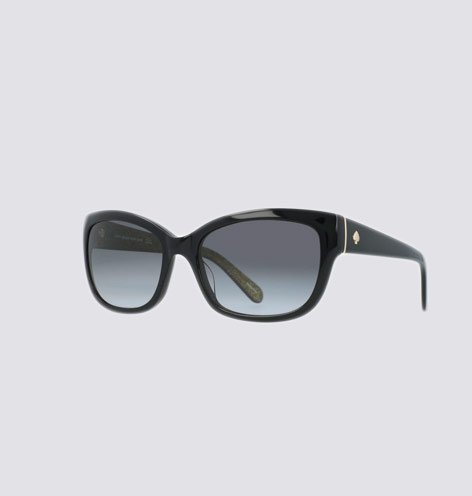
Outside, wraparound sunglasses offer more than style and UV protection. They can reduce exposure to wind, dust, and bright conditions that make dry eyes feel worse. This is particularly helpful for commuting, walking, cycling, or spending time near water or snow.
Try a warm compress for lid comfort
For some people, dry eye symptoms are linked to blocked or poorly functioning oil glands along the eyelids. A clean, comfortably warm compress placed over closed eyes for several minutes can help soften oils and support a healthier tear film.
Keep the compress warm, not hot, and use gentle pressure only. If you have eyelid inflammation, recurring styes, or worsening symptoms, get advice from an eye care professional before building a treatment routine around home remedies.
Dry eye relief for contact lens wearers
Contact lenses should support clear, comfortable vision. If your lenses regularly become uncomfortable well before the end of the day, do not simply push through the irritation.
Start with the basics: wash and dry your hands before handling lenses, follow your prescribed replacement schedule, and use the correct cleaning and storage solution for reusable lenses. Never top up old solution in the case, and replace the case regularly. These small steps help limit deposits and reduce the chance of irritation.
Daily disposable lenses can be a convenient option for some people with dryness because each wear begins with a fresh lens. Others may benefit from a different material or moisture-focused lens design. The best choice depends on your prescription, how long you wear lenses, your environment, and your eye health.
If your eyes feel dry while wearing contacts, remove the lenses when you can and switch to glasses for the rest of the day. Continuing to wear uncomfortable lenses may increase irritation. Contact lens rewetting drops can help in some cases, but they are not a substitute for reassessing a lens that repeatedly feels dry.
When ordering replacement lenses online, keep your current prescription and recommended lens brand in mind. Precisely Contacts makes it easier to reorder everyday vision essentials, while your eye care professional remains the right person to assess ongoing discomfort or recommend a change in lens type.
Everyday habits that can support eye comfort
Hydration supports general health, although drinking extra water alone will not solve every dry eye concern. Aim for regular fluids throughout the day, especially if you are active or spending long hours in heated indoor spaces.
Sleep matters too. Tired eyes can feel more irritated, and some people notice dryness first thing in the morning. If you wake with dry, sore eyes, mention it during an eye exam. In some cases, incomplete eyelid closure during sleep or an underlying eyelid issue may be involved.
Makeup, skin care products, and lash treatments can occasionally irritate the eye area. Remove eye makeup thoroughly, avoid applying products too close to the inner lid margin, and stop using any product that causes burning, redness, or swelling. If you use contact lenses, put them in before applying makeup and remove them before taking makeup off.
When dry eyes need professional care
Occasional dryness after a demanding day is one thing. Symptoms that are frequent, severe, or getting worse should be assessed. Dry eye can overlap with allergies, infection, eyelid conditions, or problems affecting the surface of the eye, and the right treatment depends on the cause.
Arrange an eye exam if dry eye symptoms continue despite regular use of lubricating drops and simple lifestyle adjustments. You should also seek timely care if you have persistent redness, pain, light sensitivity, blurred vision, discharge, or a feeling that something is in your eye that does not go away after removing your contact lenses.
Sudden vision changes, significant eye pain, an eye injury, or redness with nausea or headache require urgent medical assessment. Contact lens wearers should be especially cautious with a painful red eye, as infections can progress quickly.
Build a routine that fits your day
The most effective dry eye routine is usually simple enough to repeat. Keep lubricating drops where you work, take deliberate blinking breaks, protect your eyes from wind, and give contact lenses the care and replacement schedule they require. If one approach is not helping after a reasonable trial, that is useful information – it may be time for a different lens option or a professional assessment.
Comfortable vision should not feel like something you have to earn at the end of a long day. A few thoughtful adjustments can help your eyes feel calmer, clearer, and ready for whatever is next.